TEDxAmazônia2026
Where Everything
Connects
Impact Report
Baños and Puyo, Ecuador · August 27–30, 2026
In collaboration with TEDxQuito
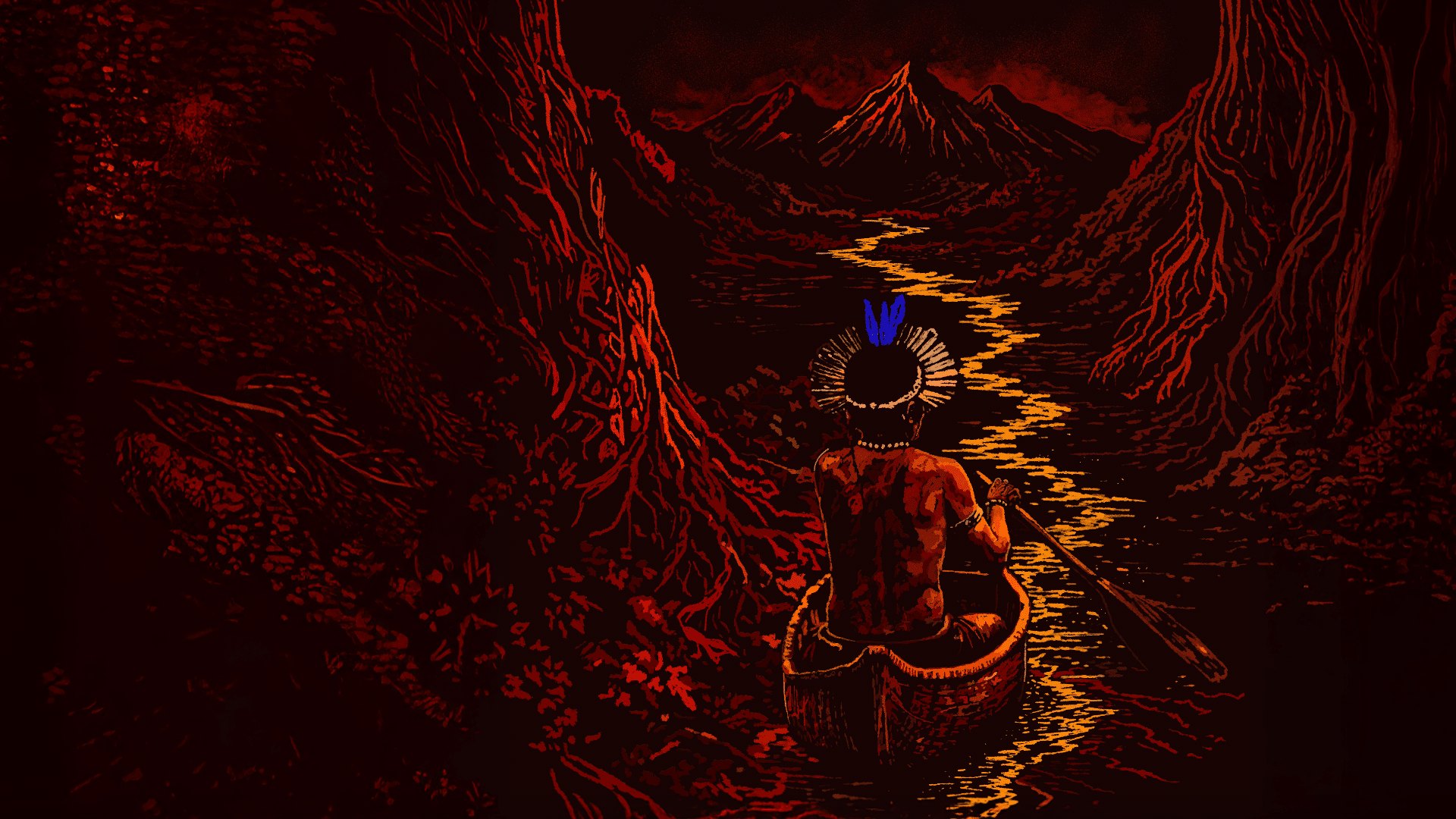
Illustration: André Hullk
Opening Letter
When we began to imagine TEDxAmazônia in Ecuador, we knew this edition would only make sense if it were built by many hands. The forest stretches across nine countries and territories, and the people who care for it are spread across all of them. So we went looking for partners throughout the Pan-Amazon, and it was these organizations that gave shape to what we lived through together in Baños and Puyo.
The curation was built in the same spirit. We sat down with knowledge partners and with people who work to protect the Amazon from very different vantage points: scientists, Indigenous leaders, conservationists, entrepreneurs and artists. We learned a great deal in those conversations, and the program we brought to the stage grew directly out of them. We are deeply grateful to every one of these people.
We also thank the organizations that helped create the experiences of the event, inside the auditorium and beyond it, and everyone who traveled from across the Amazon and around the world to be with us. A special thanks goes to the 29 speakers, who brought stories, data and a wide range of worldviews on how to protect the forest. It was beautiful to see the effect this had on the people in the audience.
Thank you to the supporters and funders who make it possible for us to keep walking through the Amazon. Thank you to the people of Baños and Puyo and to the provinces of Tungurahua and Pastaza for the way they welcomed us. And thank you to the organizers of TEDxQuito, who produced this edition alongside us in an unprecedented partnership that we hope will be the first of many.
Finally, we thank everyone who took part and who believes in the importance of coming together to discuss and seek solutions for the protection of the Amazon. This is the biome that matters most to the regulation of the world's climate, and it holds the promise of a healthier and safer future for humanity in this time of transition we are living through.
The sections that follow offer a glimpse of what we built together.
With gratitude,
Rodrigo V. Cunha Licensed Organizer and Curator, TEDxAmazônia
Where Everything Connects
In 2026, TEDxAmazônia crossed Brazil's borders for the first time and traveled to Ecuador, in collaboration with TEDxQuito. The edition opened a new chapter in the event's history and broadened its scope to a Pan-Amazonian perspective, recognizing that the Amazon transcends political borders and connects territories, people, knowledge and solutions.
The theme "Where Everything Connects" grew from an understanding of the Amazon as a living, interdependent system. In Ecuador, the idea can be read in the landscape itself: the waters that rise in the Andes descend from the mountains to feed rivers, forests, communities and ways of life. Mountain and forest form a single body, and whatever happens in one part of this system reverberates through all the others.
It was along this route between the Andes and the Amazon that people from different territories, cultures and fields came together over four days to share ideas, experiences and questions about the present and future of the forest. Baños and Puyo hosted a program that combined five sessions of talks, TEDx Adventures, gatherings, and moments of fellowship and celebration. Baños, on the banks of the Pastaza River, lies in a transition zone where the waters running down from the mountains already announce the Amazon. Sixty kilometers away, Puyo sits within the Amazon rainforest, in a territory of great biodiversity that is home to seven Indigenous nations.
The edition was designed to bring ideas, experience and territory closer together. The stage gathered voices working at some of the most important intersections for the future of the Amazon, where science, Indigenous knowledge, climate, conservation, economics, culture and public policy meet. The program out in the territory made it possible to experience other dimensions of these conversations and opened space for relationships among speakers, participants and organizations.
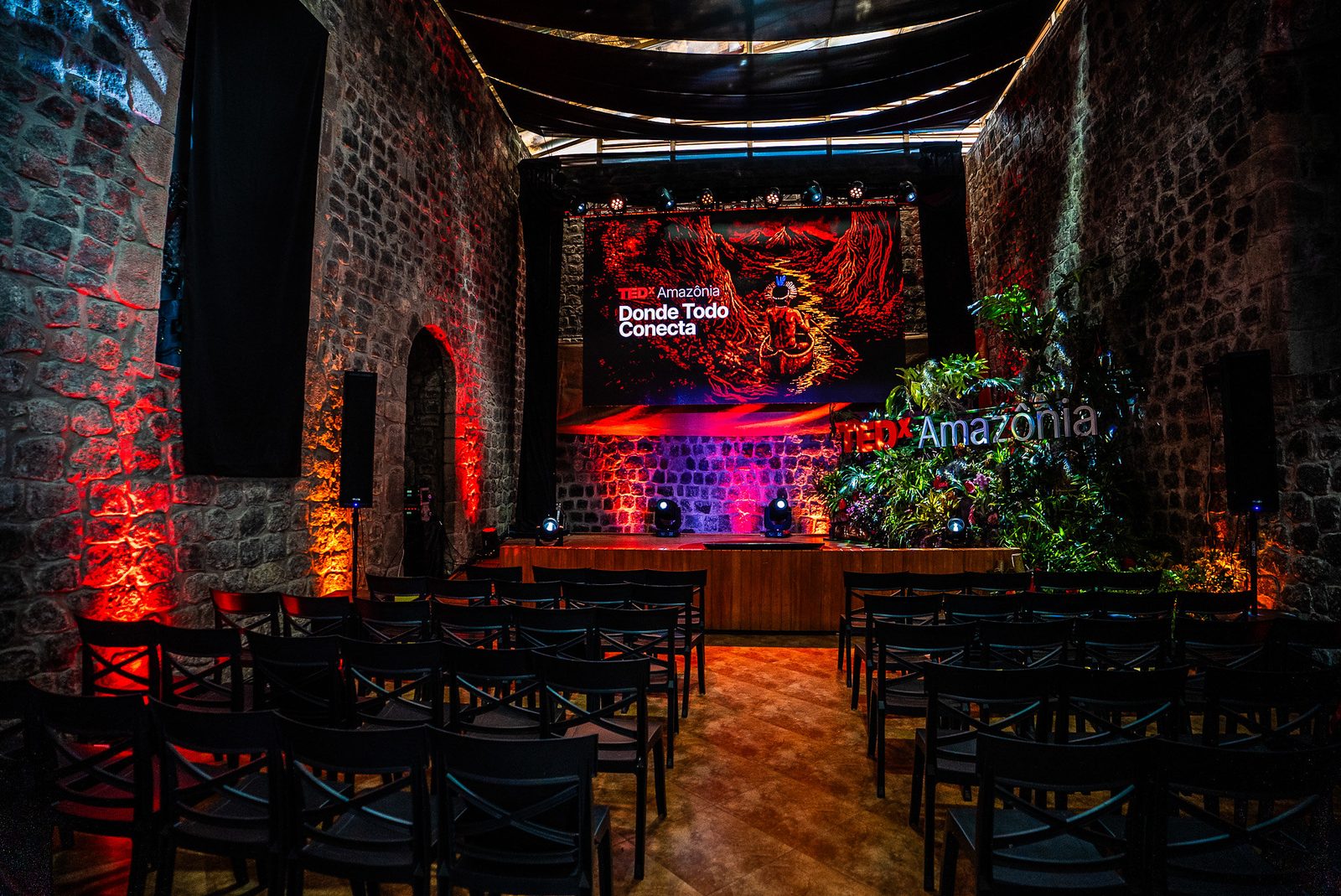
An independent cultural analysis of the gathering, carried out by the Event Design Collective, summed up what it observed as follows:
The event's strongest cultural signal is the idea that knowledge, nature, territory and political agency are inseparable, and that Indigenous voices are among the authors of the future.Event Design Collective, Event Culture Analysis 2026
MethodHow we report on this gathering
Some of what TEDxAmazônia 2026 produced is visible right away, in the number of people who attended and in the reach of its content. Another part only begins to reveal itself over time, in the relationships that continue after the farewells. To bring the two together, this report follows the logic of the ripple effect, which traces how the effects of an experience spread outward from a point of origin and reach, in ever wider circles, people and places that were never in the room. The chapters follow the course of a river, from its headwaters to the estuary, and at each stretch they observe the ripples that form there.
The analysis draws on two kinds of sources. Testimonies tell what these days meant to the people who lived them, while numbers show who was present and how far the ideas traveled. The numbers point to where we should look, and the testimonies reveal what happened there. Because the testimonies come from those who chose and were able to respond, the picture they form corresponds to the first ripples of a movement that continues to spread. Quotations originally in Spanish or Portuguese appear in our own translation.
The Amazon teaches us that no movement happens in isolation. Everything is connected, and every connection can produce effects that reach far beyond their point of origin. In the sections that follow, we trace the paths of these connections.
An Overview of TEDx Amazônia 2026
The story of TEDxAmazônia
Over the years, each edition of TEDxAmazônia has helped place the Amazon at the center of the debate on climate and the future of humanity.
- 2010Manaus
TEDxAmazônia is born in Manaus, inspired by TEDx São Paulo. For the first time, the Amazon has a space to share ecological and cultural solutions on a global stage.
- 2023"Where Voices Meet"
Thirteen years later, the event returns to the banks of the Rio Negro with the theme "Where Voices Meet," connecting local and international voices. Its first integration with TED Countdown strengthens the commitment to solutions for climate change.
- 2024"Collective Ancestry"
With a stronger presence of Pan-Amazonian voices, the edition brings together scientists, innovators and artists around "Collective Ancestry," a theme centered on the interconnection between ancestry and the elements that sustain life.
- 2025"Rescues"
Under the theme "Rescues," the event establishes itself as multicultural and multidisciplinary, celebrating ideas that walk hand in hand with the climate challenges of COP30.
- 2026"Where Everything Connects"
With "Where Everything Connects," TEDxAmazônia holds its first edition outside Brazil, in Baños and Puyo, Ecuador, in partnership with TEDxQuito.
The ripples of the gathering
From the stage to the press, by way of the territory, these are the ripples the gathering set in motion. Click a ripple or the tabs on the panel to explore each view.
Where they came from
Where the people at the gathering came from, participants and speakers alike. Use the buttons to see each group.
South America
Other continents
Map of the gatheringFour days in contact with the territory
What the gathering left behind
What remained after the four days, first in the people who lived the gathering and then in the territory that hosted it.
Those who were there recommend it
And they explain why when they justify their score in the satisfaction survey.
73 of the 77 people who responded are promoters
What comes up in the 49 comments
Number of comments that mention each reason; a single comment may mention more than one. 77 responses, from the 220 registrants who received the survey. Read Perceptions
What stayed in Baños and Puyo
Resources that circulated in Ecuador during the edition.
What resonated: from expectations to impact
The impact of a gathering like TEDxAmazônia can also be measured by what shifts within the people who take part in it. Participants were listened to throughout the entire journey, from the preparations for the trip to the farewells, about their relationship with the Amazon, what they hoped to find, what stayed with them and what they were taking home.
Until the middle of the program, responses came in as voice messages on the Apurva.ai platform, which organizes testimonies into themes while preserving each person's own words. For the final stage, the reference is the satisfaction survey, whose comments were sorted into the same categories. Because the questions and the groups change from one moment to the next, the analysis shows what was on the group's mind at each stage, without following the same people from start to finish.
From before to the end
What was on people's minds at each moment of the gathering
The width of the river follows the number of responses at each moment. Before, arrival and midway: voice messages on the Apurva.ai platform, with each response assigned to one theme. End: comments from the satisfaction survey, where a single comment may mention more than one theme. The respondents differ from one moment to the next.
Before the trip, one person explained that they knew the Amazon almost entirely through videos, articles and other people's stories, and that they were coming to Baños to listen up close to those who live it. That wish, shared by many voices on arrival, found an answer in the territory. After two days with Indigenous leaders and community members, another person said they had formed a more real sense of what it means to live in community.
For some, the experience also changed the way they see themselves in relation to the forest. On hearing how Indigenous peoples understand themselves as part of nature, one participant concluded that when people see themselves within the forest, it becomes harder to justify what destroys it. Another held on to the journey of a speaker who changed modes of transport several times to reach Baños, and through her came to understand that resilience takes different forms in each person's path.
Because it is a singular experience. Through stories, one can connect thought (knowledge) with emotions and broaden one's view of the world by seeing different perspectives.Participant · satisfaction survey · translated from Spanish
In the final evaluation, people returned to what they had come looking for, the talks, the learning and the network, and added what had surprised them. The Adventures stand out as the moment when what was heard in the auditorium could be lived, and many comments speak of a community that took shape over the days and of the care with which people were welcomed.
Because it was a complete event in every sense. The community that gets built is unlike any other. The talks were incredible, and every one of the experiences you can take part in has something very special about it.Participant · satisfaction survey · translated from Spanish
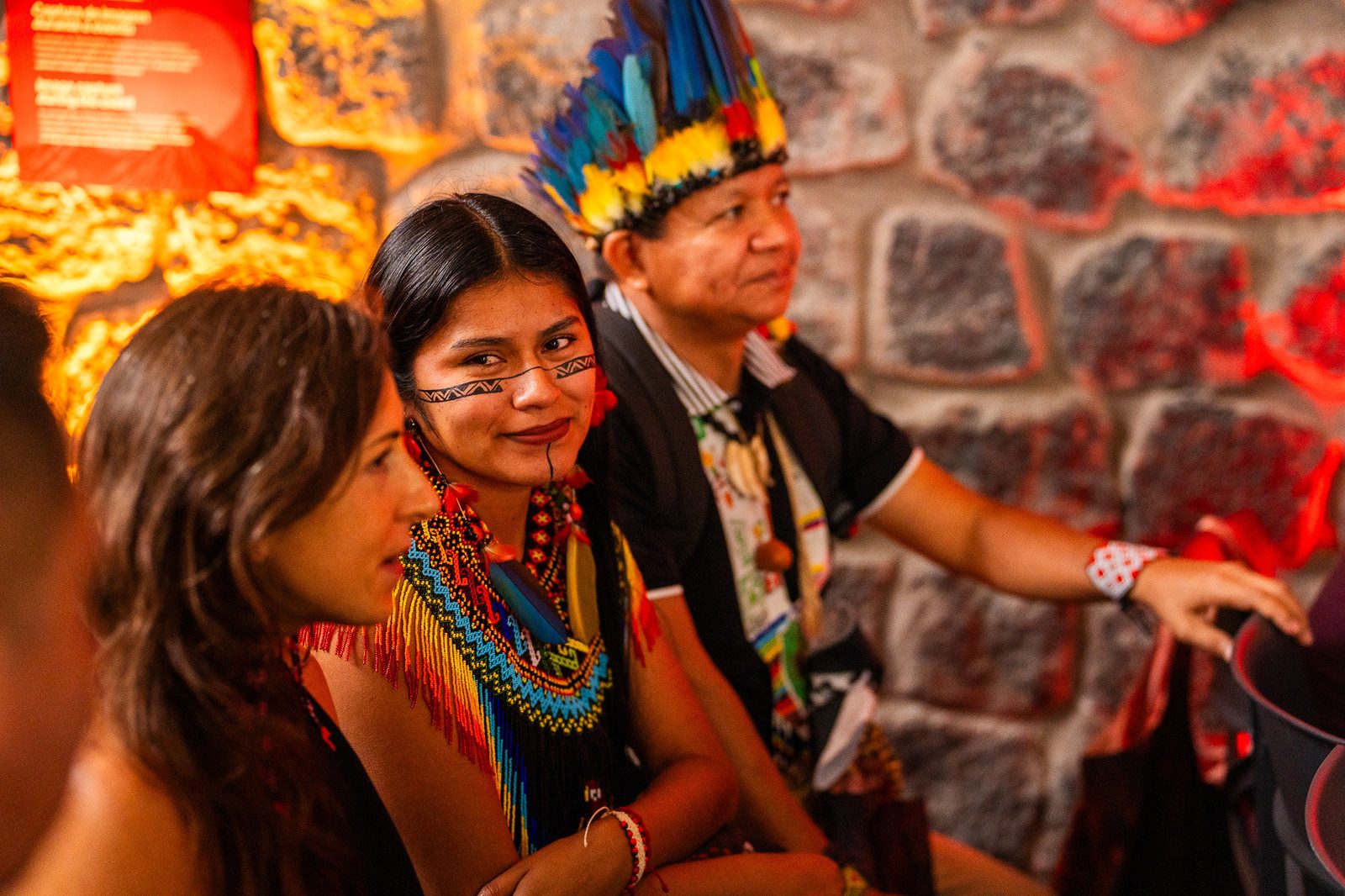
Among the echoes that remained, there are also unanswered questions. Those who saw community life up close left troubled by the young people who go away to study and do not always return. The education that widens a young person's horizons can also draw them away from the place they came from, and that tension continues to resonate with those who heard it long after the farewells.
The headwaters: where ideas begin to flow
Every ripple has a point of origin. At TEDxAmazônia, it lies in the people and ideas that reached the stage. These are stories built in territories, communities, universities, organizations, businesses and decision-making spaces, which meet in Baños and from there begin to circulate. To look at the speakers is to look at the headwaters of impact: who set ideas in motion, what knowledge entered the current, and what happened when these people came together.
- 29speakers
- 12countries
- 59%women
- 45%identify as Indigenous
- 83%represented Pan-Amazonian countries
Who gives rise to these waters
The 29 speakers formed plural headwaters, bringing together voices from 12 countries and from different generations, territories and fields of work. Among them were Indigenous leaders working directly to defend and govern their territories, keepers of ancestral knowledge and young leaders; researchers who have devoted decades to the Amazon, affiliated with universities and international scientific networks; professionals working in biodiversity, ecosystem restoration and conservation; bioeconomy entrepreneurs; artists, communicators and educators; and specialists in public policy and environmental finance, along with leaders who carry territorial agendas into global organizations and forums. These are paths forged in the community, in the forest, at the university, in civil society, in entrepreneurship and within institutions, often crossing several of these places at once. Brought together at TEDxAmazônia, they form the source from which the ideas, perspectives and connections traced throughout this report flow outward.
What springs from this meeting of knowledges
The strength of these headwaters also lies in the diversity of knowledge that feeds them. Each path brought a different way of knowing, interpreting and transforming the Amazon, and the program put science, ancestral knowledge, territorial experience, conservation, entrepreneurship, public policy, art and spirituality in dialogue, creating a space where different forms of knowledge could coexist, meet and enlarge one another.
An independent analysis by the Event Design Collective identified a significant cultural choice in this composition: authority over the Amazon was distributed among different forms of knowledge, without automatically placing academic or international expertise above territorial experience.
The organization and the diversity of talks, by speakers of the highest caliber, were incredible. It opens your eyes to new ways of seeing the Amazon in all its diversity and connection.Participant · satisfaction survey · translated from Spanish
Those who protect the territory
Long before the Amazon appeared on maps, Indigenous peoples were already protecting this territory. These leaders have made the defense of the forest part of their everyday lives. Through territorial monitoring, Indigenous governance, spirituality and community mobilization, their paths remind us that protecting the Amazon also means protecting cultures, languages, ways of life and possible futures.
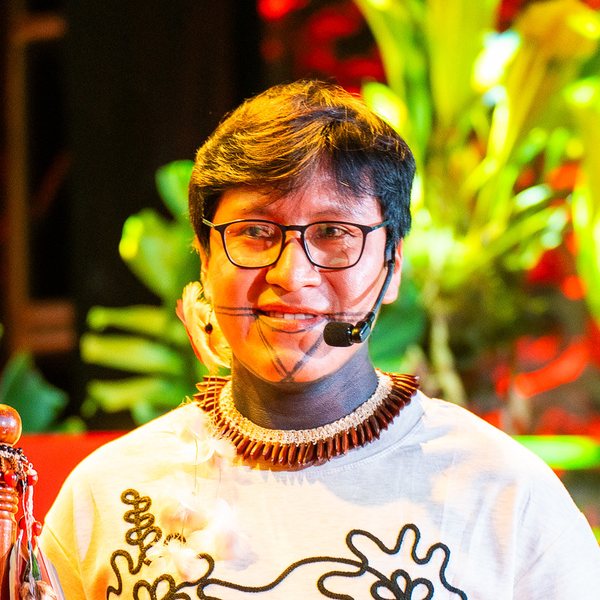 Alexis Grefa
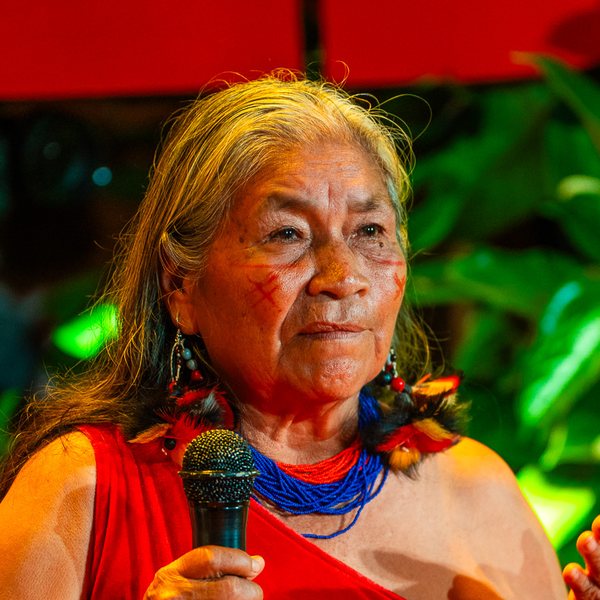 Catalina Chumpi
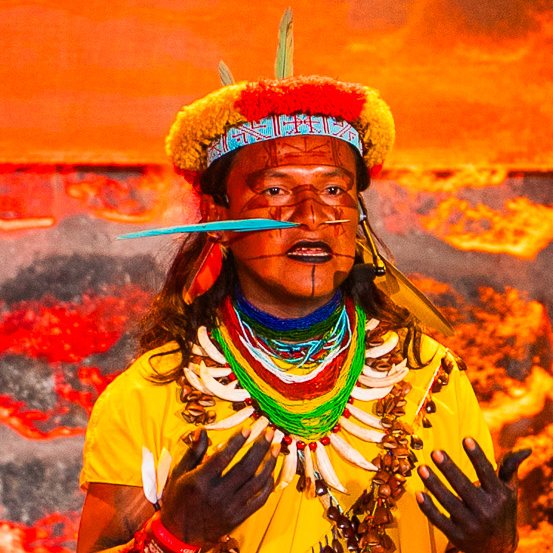 Davixon Lusitande Payaguaje
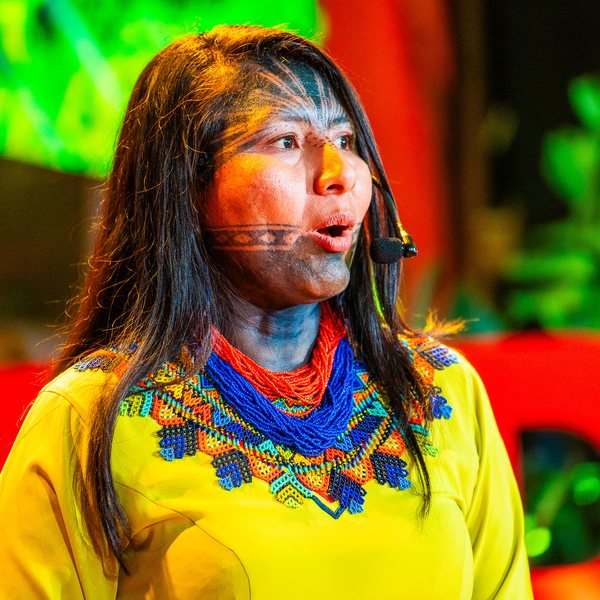 Diana Chávez
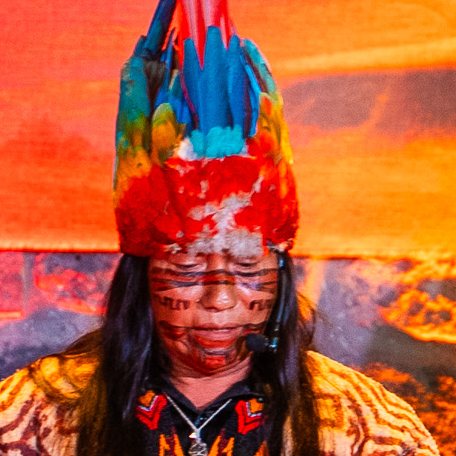 Manari Ushigua
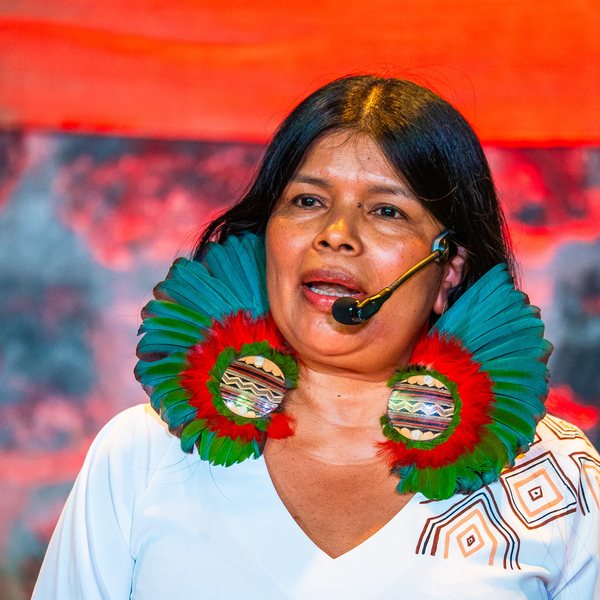 Patricia Gualinga
Those who carry the Amazon to the world
Decisions about the Amazon are made in many places, which is why it is essential for Amazonian peoples to be present wherever those decisions take shape. These leaders work in international organizations, governments and major global forums, carrying the voices and perspectives of Amazonian territories into the spaces where public policies, climate agreements and conservation strategies are built.
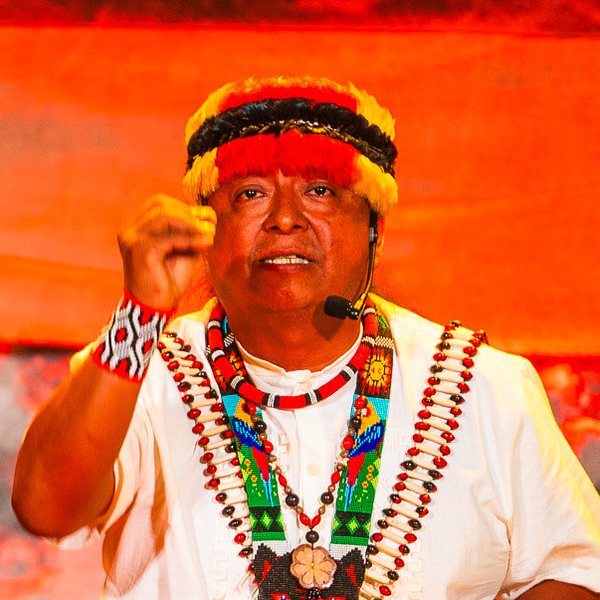 Juan Carlos Jintiach Arcos
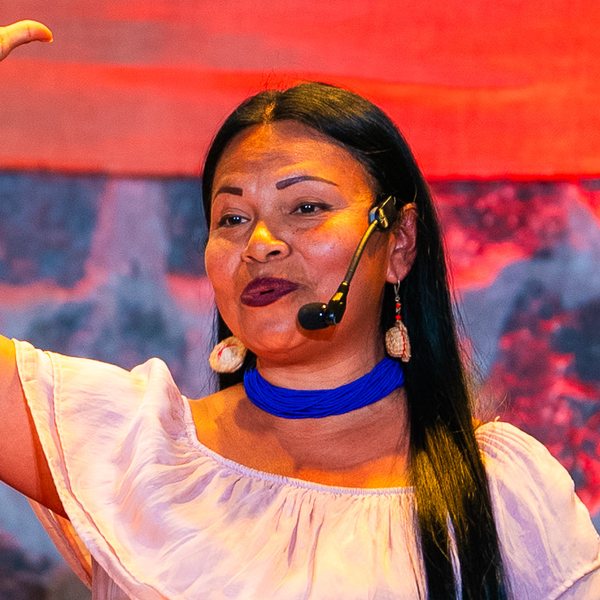 Mónica Chuji
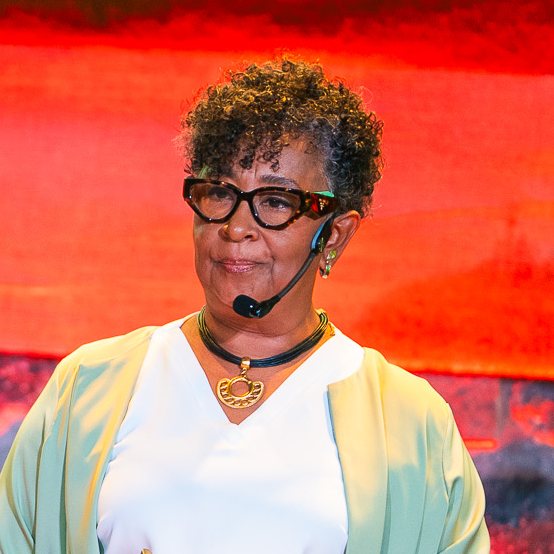 Martha Rosero-Peña
Those who turn knowledge into conservation
Understanding the Amazon is a collective effort that brings together science, observation and a deep relationship with the territory. Researchers who devote their careers to understanding the forest, its biodiversity and the impacts of climate change produce knowledge that helps guide public policy, conservation strategies and new ways of caring for the Amazon.
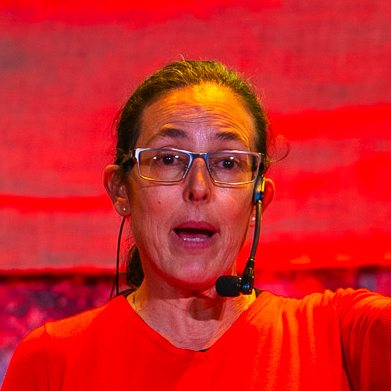 Ana María Durán
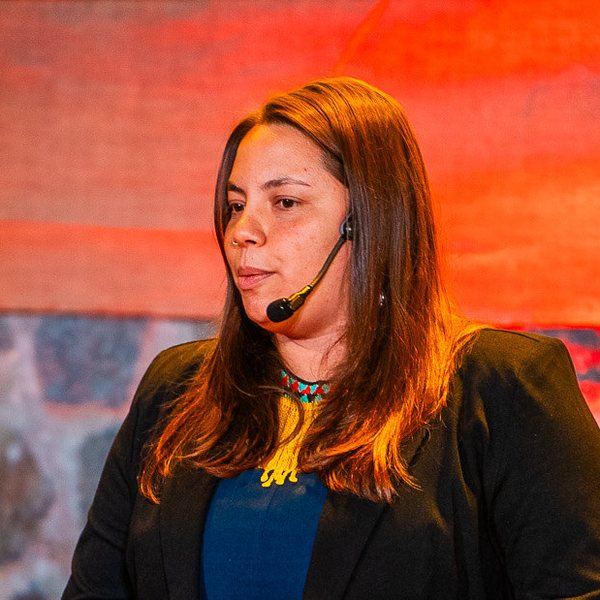 Julia Valentim Tavares
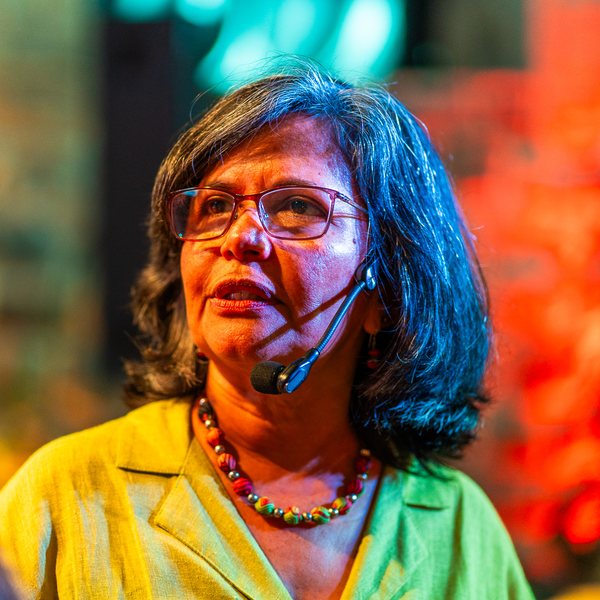 Marielos Peña Claros
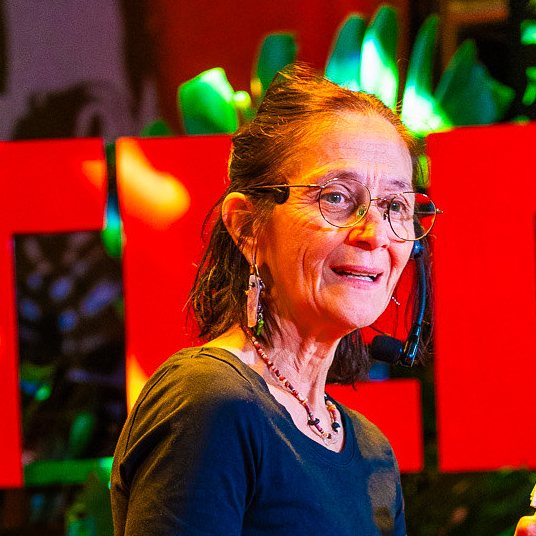 Egleé López-Zent
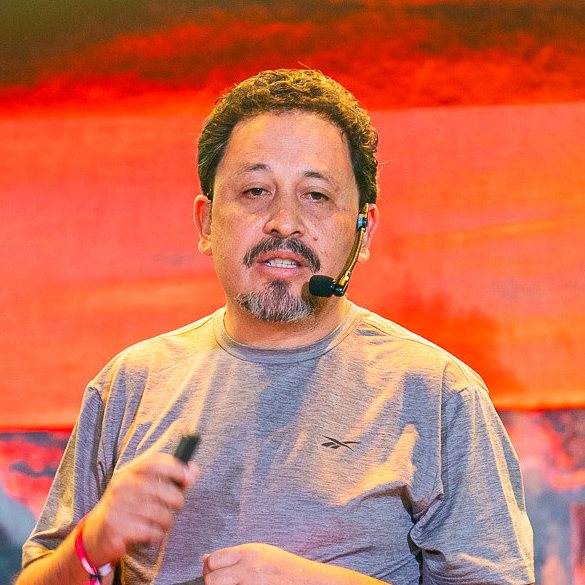 Luis Arteaga
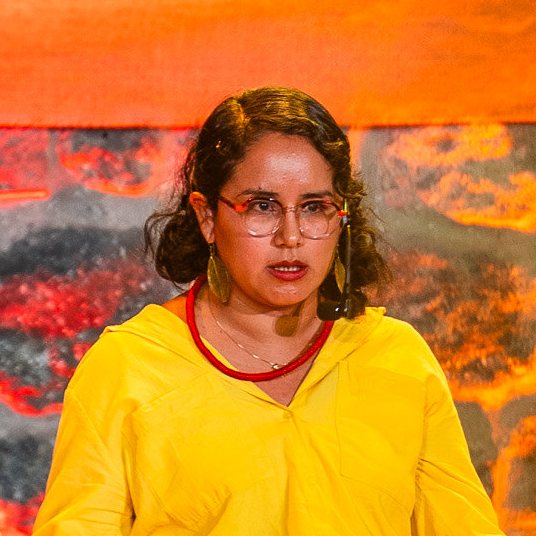 Sofia Isabel Vizcarra Castillo
Those who keep the forest's memory alive
The Amazon is also made of songs, art, spirituality, languages and stories passed down through generations. Artists, educators, communicators and keepers of ancestral knowledge show how culture is also a way of protecting territories, strengthening identities and imagining new futures.
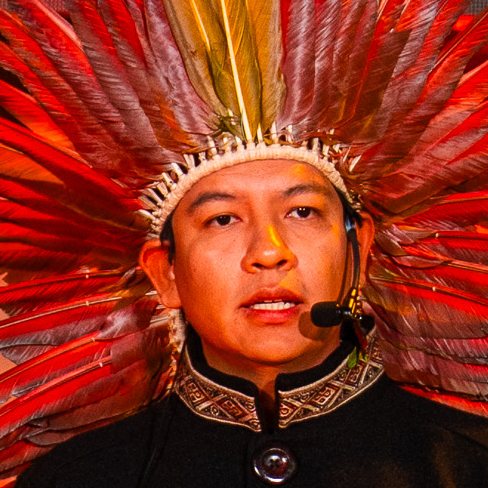 Eric Terena
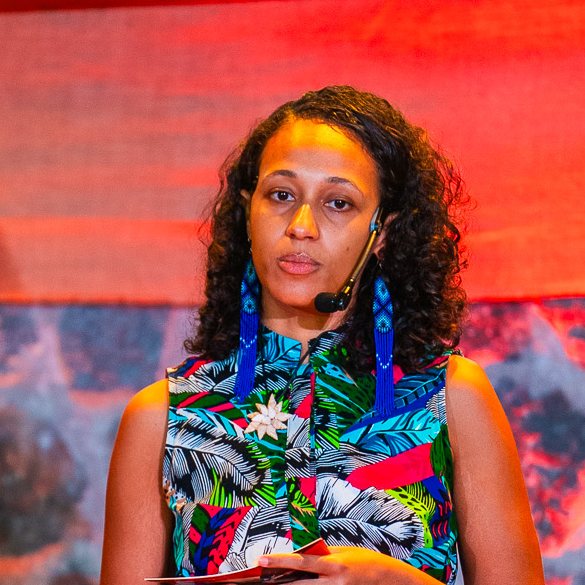 Cynthia Malone
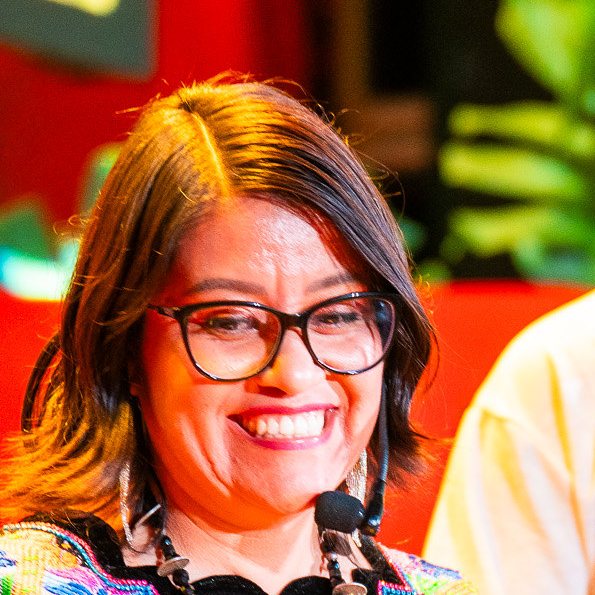 Lucia Ixchiú
Those who are building the economies of the future
How can we build an economy that strengthens the forest instead of replacing it? Entrepreneurs, researchers and leaders are developing solutions rooted in the Amazon itself. Solar energy for river transport, Indigenous bioeconomy, ecosystem restoration, forest foods and development models connected to the territories show that innovation also means learning from nature.
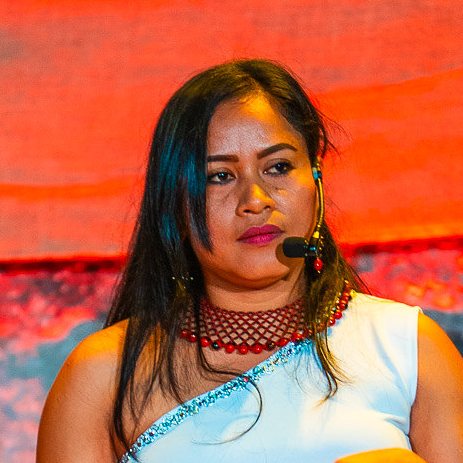 Esthela Noteno
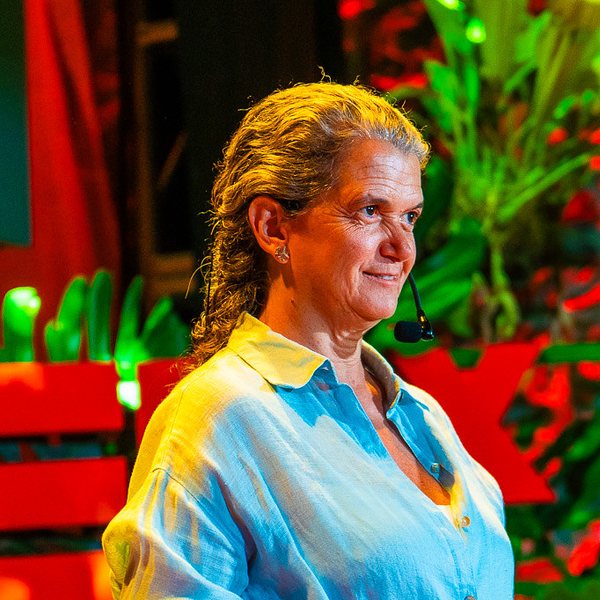 Marta Echavarria
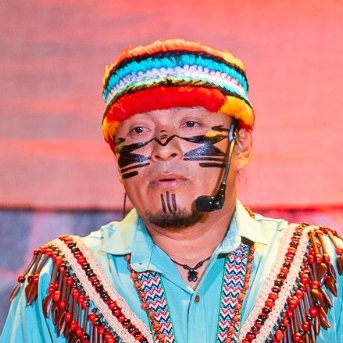 Nantu Canelos
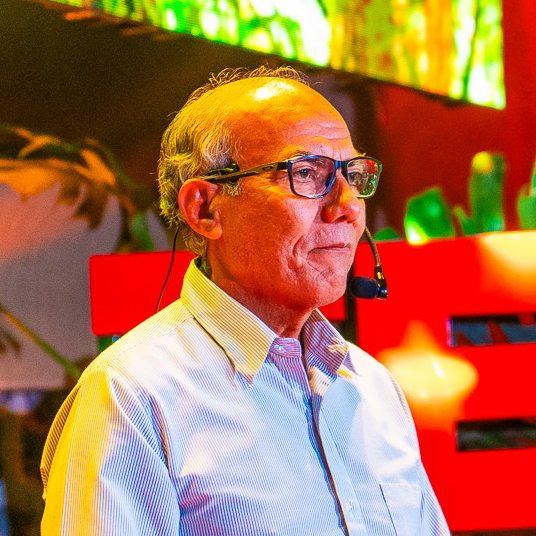 Omar Tello
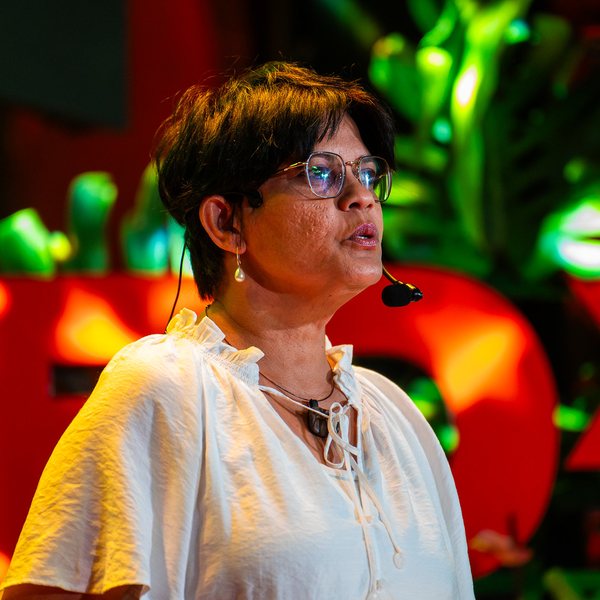 Minu Parahoe
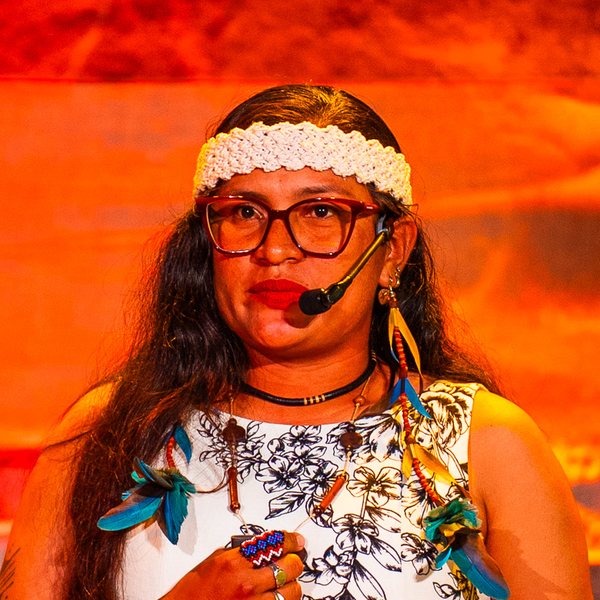 Kim Spencer
Those who connect territories to transform the planet
The Amazon is part of a much larger conversation. The climate crisis links forests, peoples and territories around the world, and TEDxAmazônia brought together leaders working in other biomes, regions and fronts of the climate transition. Their experiences broaden the ways we think about conservation, climate justice and sustainable development, and they show that some of the most powerful solutions emerge when different realities learn from one another.
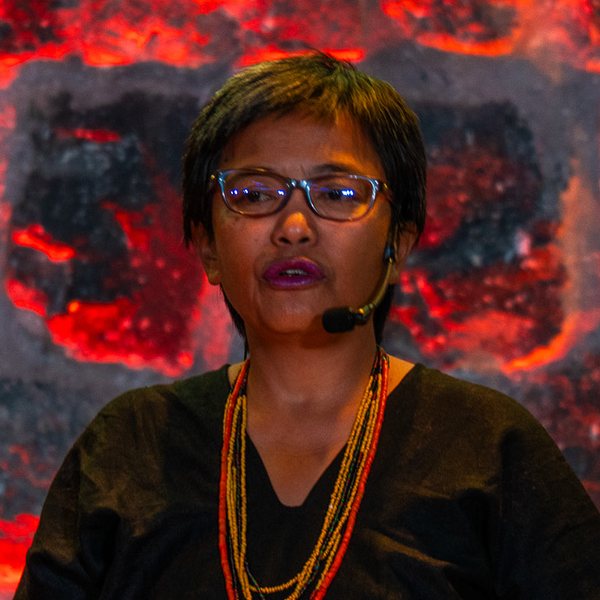 Rukka Sombolinggi
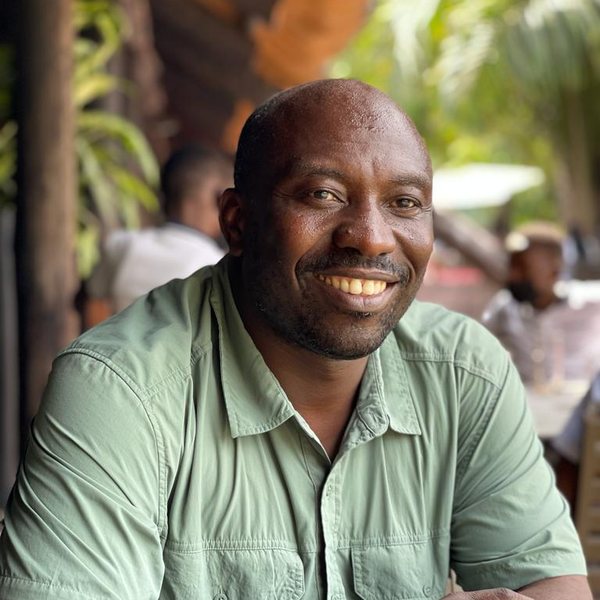 Dominique Bikaba
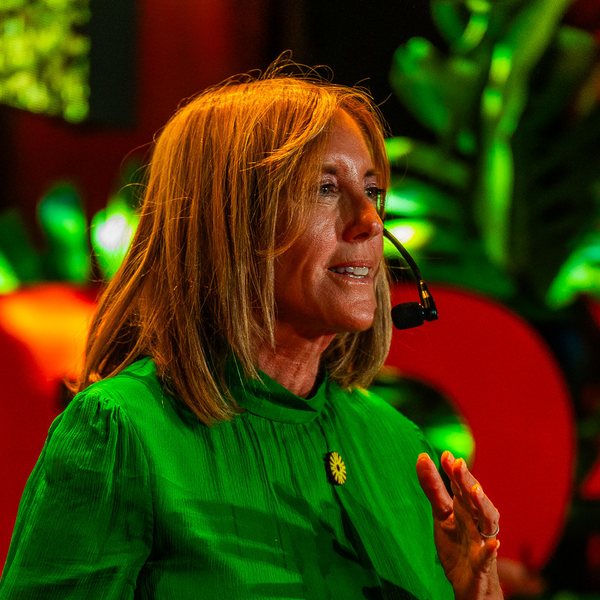 Ronda Carnegie
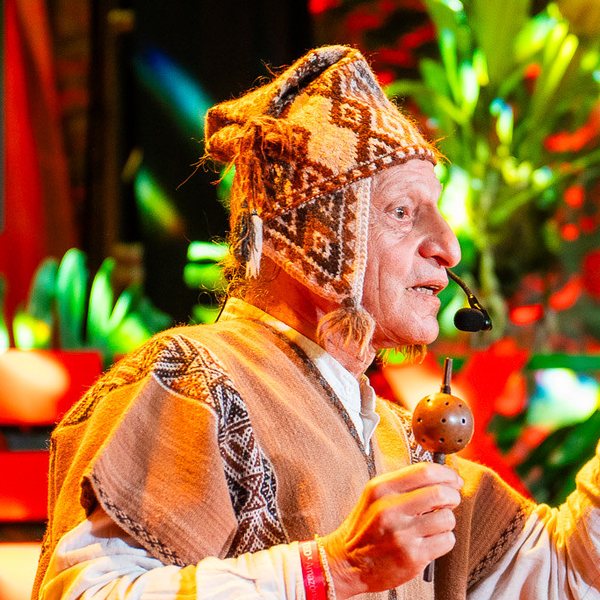 Kike Pinto Cárdenas
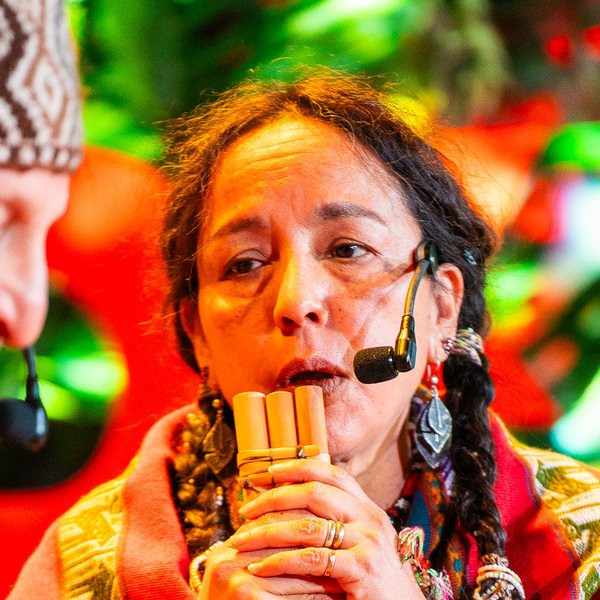 Lourdes Monrroy
The encounter that strengthens the headwaters
The testimonials show that an important part of the impact took place in the time the speakers spent with one another. By bringing together people from different territories, backgrounds and forms of knowledge, TEDxAmazônia created a space for exchange that the testimonials describe as connection, learning, inspiration and a sense of belonging. One movement recurs throughout these words: each person arrives bringing an experience to share and leaves carrying new references, relationships and energy to keep working in their own territory. The headwaters of impact are therefore also a meeting place, where ideas cross paths, transform and gain new ways to circulate before flowing onward. It is in this back-and-forth that impact begins to expand beyond the event.
The stage gave visibility to the ideas. Time spent together created the conditions for them to circulate among people, cross borders and return to the territories.
From individual pathsto a network
One of the strongest signals in the testimonials is a sense of mutual recognition and of belonging to something larger. People from different countries, territories and fields began to see connections between their own paths. Nantu Canelos captures this effect when he writes that he returns home deeply embraced by what was woven together, with the feeling that "we no longer walk alone, but beat as one within the same network." Ana María Durán spontaneously takes up the same image to describe the gathering as a "collective pulse."
In this sense, TEDxAmazônia also served as connective infrastructure for people working on related challenges in different contexts.
From sharing knowledgeto learning from others
The speakers came to pass on their experiences, yet their testimonials repeatedly emphasize what they received from the others. Esthela Noteno speaks of the chance to meet extraordinary people and to hear experiences that make one believe the world can change; Marta Echavarria highlights the opportunity "to learn so much"; and Marielos Peña Claros gives thanks for the generosity with which knowledge, experiences, concerns, solutions and dreams were shared.
The epistemological diversity of the program reached beyond the curation of the stage and became a learning experience among the speakers themselves.
From participantto a person cared for
There is also a less obvious layer of impact: the way the experience was designed appears in the testimonials as well. Ana María Durán mentions the generosity, the patience and the "thousand details" that made the experience unforgettable, adding that the care and love devoted to the forest were extended to the people. Marta Echavarria also explicitly thanks the team for the attention the speakers received.
Care thus reached beyond logistics and hospitality and became part of the event's message itself, a coherence between what TEDxAmazônia stands for and the way it welcomes people.
From the gatheringback to the territory
The testimonials do not end with the event; they point to what each person carries with them on returning to their own context. Davixon Lusitande writes from his territory, already home, recognizing the experience as one more step on his path as a young Siekopai. Kike Pinto, at the airport on his way back to Peru, writes of returning with hope and inspiration and of carrying the messages received there to families and communities back home.
Each speaker can therefore also be understood as a point of propagation. The ideas, relationships and experiences of these days travel back with them to other territories and communities.
The upper course: where ideas meet the territory
At TEDxAmazônia 2026, the ideas that emerged on stage found in the TEDx Adventures a way to continue into the territory, bringing participants closer to the ecosystems, communities, practices and knowledge that ran through the event's conversations.
On August 28 and 29, the program spread out across Baños and Puyo. Seventeen different Adventures took place over 29 sessions, each offering its own way of experiencing questions raised on stage in the very places where they take shape.
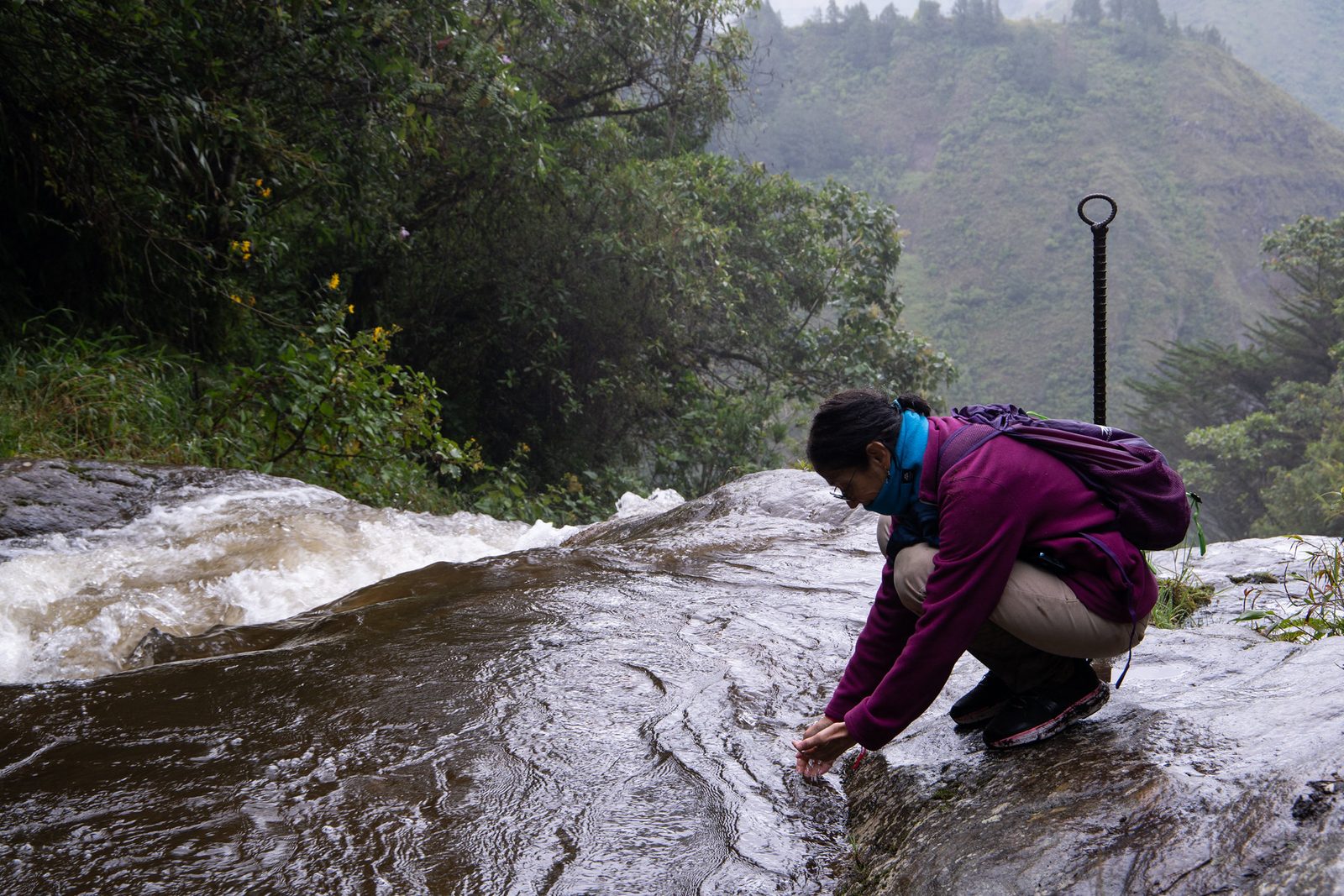
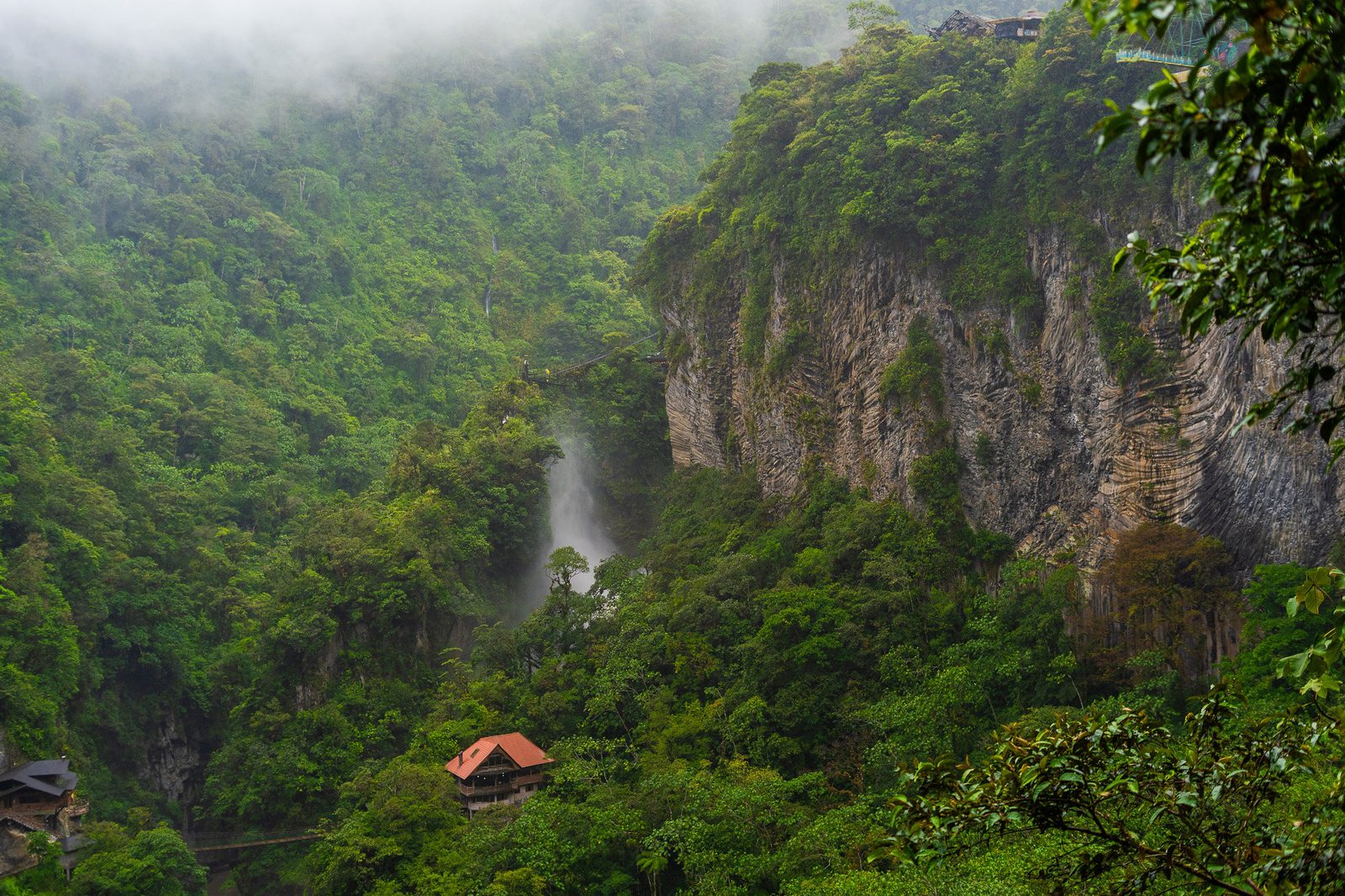
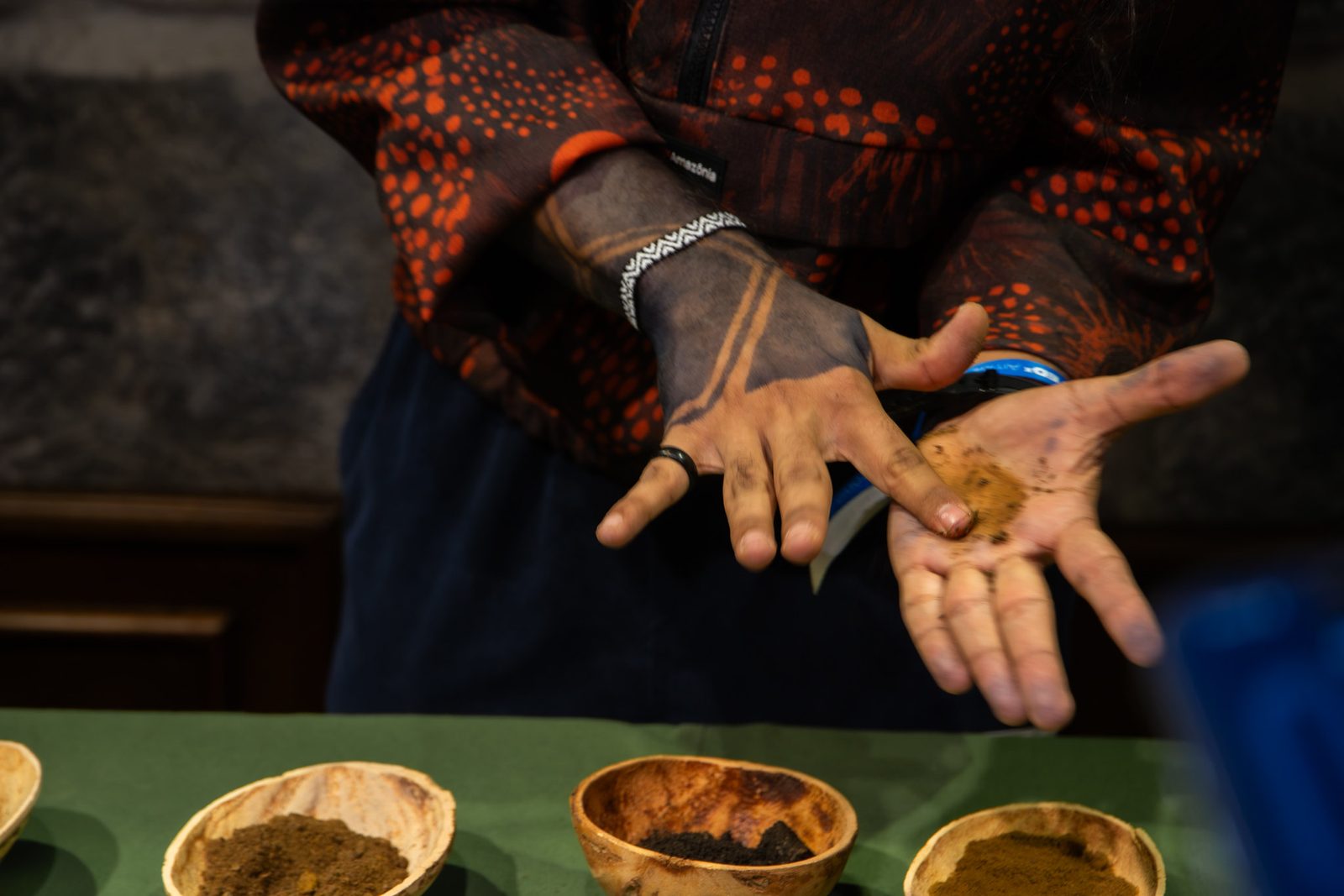
The idea behind them was simple: some kinds of knowledge take on another dimension when they are experienced in the territory where they are produced and lived. Walking, observing, talking, experimenting, creating and sharing a meal all became ways of learning.
The experiences covered a range of themes, yet seen together they reveal a few broad paths of approach to the territory.
Perceiving the connections that sustain life
Water, forest, fungi, biodiversity, mountains and rivers helped make visible relationships that often remain abstract. The experiences invited participants to observe how different living systems depend on one another and how whatever happens in one part of the territory reverberates through the rest.
Interdependence, the central idea of the edition, went from being a concept discussed on stage to something that could be walked through, observed and felt.
Meeting those who care for the territory
Conservation and regeneration came into view through the people who carry them out every day. Indigenous communities, researchers, environmental organizations and local initiatives introduced participants to different ways of protecting biodiversity, restoring ecosystems and caring for the territory.
This contact also broadened the understanding of who produces knowledge about the Amazon. Care for the forest appears tied to science, to the experience accumulated by communities and to the knowledge built by those who maintain an ongoing relationship with these places.
Encountering knowledge that spans generations
Ancestral knowledge, medicinal plants, ceramics, weaving, art, food, stories and cultural practices revealed other ways of knowing and interpreting the territory.
Here, knowledge circulated through conversation, hands, bodies, materials and relationships. The experiences brought participants closer to forms of knowledge that remain alive because they continue to be practiced, shared and handed down from one generation to the next.
Experiencing economies connected to the forest
Bioeconomy, agroecology, cacao, vanilla and other productive initiatives gave tangible form to the discussions about development that ran through the event.
The experiences brought participants face to face with initiatives that seek to create economic value through different relationships with biodiversity, local knowledge and conservation, revealing possibilities already under construction in the territory.
Understanding the life that unfolds along the rivers
The Adventures also brought participants closer to the everyday dimension of the territory. Markets, food, farms, communities, trails and rivers revealed an Amazon that is lived every day.
This perspective helps us understand the territory as a system in which nature, culture, economy and daily life are continually connected, moving the Amazon beyond the idea of landscape and recognizing it as a place of relationships and ways of life.
Seeing the tensions that run through the territory
Being in the territory also opened space to understand the conflicts and pressures that put these systems at risk. Mining, the transformation of the landscape and their environmental, social and economic impacts were part of the journey.
The Adventures thus made it possible to encounter both the vitality and the tensions of the Amazon in the same territory, deepening the understanding of the choices and disputes that will shape its future.
From the stage to the territory. From the territory back to each person.
By alternating talks and Adventures, TEDxAmazônia created a movement back and forth. Ideas met the territory, and the territory returned new questions, references and experiences to the conversations of the event.
What began as an idea could take on another dimension in front of a protected forest, in a conversation with an Indigenous leader, in contact with the soil, while observing a species, over a locally prepared meal, or in an encounter with an economic initiative rooted in that place.
This effect also appears in how participants perceived the experience. In one evaluation, the Adventures were singled out as experiences held in the territory with different actors in environmental conservation, "where the knowledge went much deeper." The remark helps convey the intention behind this design: being in the territory made it possible to deepen what the ideas had set in motion.
The choice to treat the territory as part of the experience also finds an echo in the independent cultural analysis carried out by the Event Design Collective, which identified an important characteristic of TEDxAmazônia:
Territory is treated as a living system rather than as a tourist backdrop.Event Design Collective, Event Culture Analysis 2026
An experience built as a network
This encounter with the territory was only possible thanks to organizations that already maintain relationships with the places, communities and ecosystems of Baños, Puyo and the Ecuadorian Amazon. Each partner helped open paths to places, initiatives and people who carry knowledge produced in the territory itself. This network of Adventure partners is presented in detail in the Organizations chapter.
In this way, the Adventures gave concrete form to "Where Everything Connects." The ideas shared on stage met the landscapes, practices, people and territories related to them. The Amazon was the subject of the conversations and also the place from which some of them could be understood.
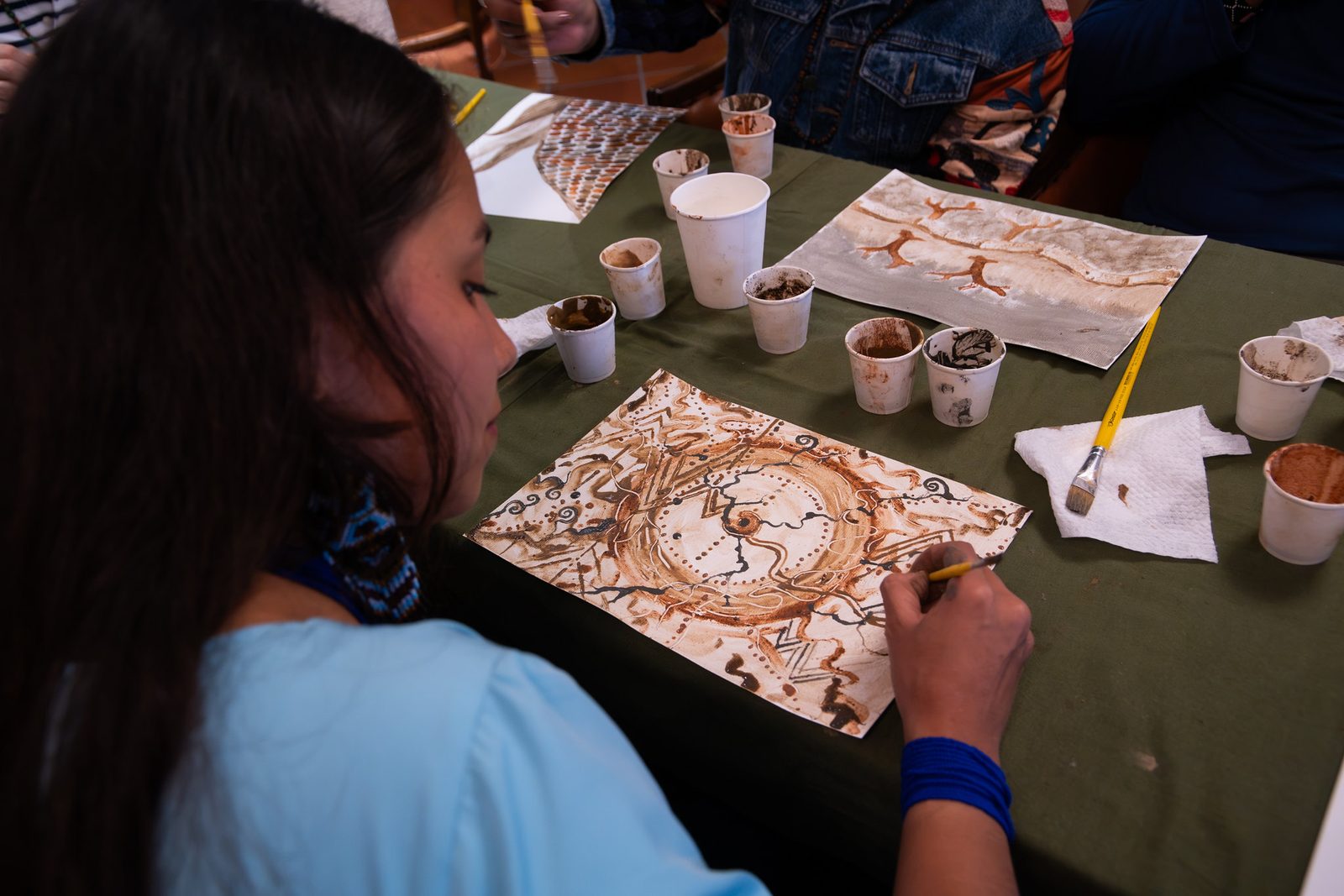
The tributaries that swell the river
- 167participants
- 9countries
- 70%from Ecuador
- 56%women
- 19%identify as Indigenous
If the speakers form the headwaters, the participants are the tributaries. Of the 220 people registered for TEDxAmazônia 2026, 167 came as participants, from nine countries and from organizations, communities and networks working in the Amazon. Each of them brought their own water to the river, and each carried home part of what flowed through Baños and Puyo.
Who came
Participants were mostly women, of mestizo background, between 30 and 49 years old, predominantly from Ecuador and with Spanish as their first language, and one in five identified as Indigenous. More than half had completed some level of graduate study. Gender, race, age and origin are detailed in By the numbers.
This representation of voices within a protected region was a combination that fully met my hope of returning home with a much deeper understanding of the reality that all the populations involved experience in this daily struggle to sustain their cultures and, as a result, the forests where they live.Participant · satisfaction survey · translated from Portuguese
What they took home
When explaining the score they gave the gathering, many people describe what they are taking home: learning, motivation and the sense of belonging to a shared purpose. Some mention new tools and references for the work they already do in defense of the Amazon.
It is one of the most wonderful events I have ever attended! I congratulate the organizers in every way. It is full of emotions, reflections, collective building and protagonists of immense diversity! It overflows with love. It was built for the future from the past, taking the best of the present! I learned so much; it is an event that speaks to both the intellect and the emotions. Each speaker has so much to contribute, and they seem to have been chosen for their different profiles, messages and knowledge, taking us through a wide range of topics that help us understand, and commit to, making a better world!Participant · satisfaction survey · translated from Spanish
(...) Over these days I not only learned a great deal, I also feel deeply motivated by the quality of the conversations and the shared spirit. I take with me new tools and renewed inspiration to keep working in defense of the Amazon, a purpose we share and one that grows even stronger after this gathering.Participant · satisfaction survey · translated from Spanish
What they ask for next
More than one response expresses the wish that the network formed in Baños be nurtured throughout the year, so that the gathering keeps generating alliances after it ends. There are also concrete requests: one person observed that TED "is not very democratic in its use of image," tending always to favor the same people, and another hopes to see "even more Indigenous speakers in the future."
Those who take part thus become more than recipients. Each person returns to their work, their organization and their territory carrying forward what they lived, and it is through these tributaries that the gathering keeps flowing.
The basin: a network connected by the Amazon
- 150organizations represented in the gathering's network
- 220registrants affiliated with them
- 20knowledge partners
- 11Adventure partners
TEDxAmazônia 2026 brought together 220 registrants affiliated with 150 organizations, forming a diverse basin of actors connected to the issues that run through the Amazon. Civil society and conservation groups, Indigenous and territorial organizations, companies and impact businesses, universities and research centers, governments and multilateral bodies, philanthropy, investors, media and communications all came together in a single network.
As in a river basin, each part occupies a different place and contributes to the system through its own capacities. Territorial organizations connect communities and peoples. Universities and research centers produce knowledge and set it in circulation. Companies and entrepreneurs develop solutions and new economic models. Foundations and investors mobilize resources. Governments and multilateral bodies bring policy agendas and decision-making spaces within reach. Media outlets connect these issues to new audiences.
The strength of this basin lies in its combination of different capacities for action. An idea that enters this network can find its way to communities, research, projects, investment, public policy, markets and new audiences. Each organization widens the channels through which ideas circulate and creates new points from which impact can continue.
Widening the circle of listening: knowledge partners
The diversity of voices that reaches the stage begins long before the event. To build a curation connected to different territories, forms of knowledge and fields of work, TEDxAmazônia relied on a network of knowledge partners that helped identify, recommend and reach out to potential speakers.
These organizations work in complementary fields, spanning Amazonian science and research, conservation, Indigenous peoples, bioeconomy, climate, sustainable development and territorial coordination. Each one connects TEDxAmazônia to different communities of knowledge and practice and, by sharing its references, widens the range of voices the curation can hear.
In the logic of the basin, knowledge partners connect the curation to other networks and sources. Through them, TEDxAmazônia extends its reach to researchers, Indigenous leaders, entrepreneurs, specialists and people deeply bound to the territories and to the issues that run through the Amazon.
- AMZ Bioecon
- Amazon Sacred Headwaters
- Amazon Watch
- Fundación Avina
- COICA
- Conexsus
- Conservation International
- Foro Social Panamazónico
- Forest Trends
- Fundación Pachamama
- Greenpeace
- Ikiam Universidad Regional Amazónica
- IPAM Amazônia
- RAISG
- Science Panel for the Amazon
- Sustainable Development Solutions Network
- The Nature Conservancy
- Uma Concertação pela Amazônia
- World Resources Institute
- WWF
The plurality of the stage is also the result of a curation built as a network. The more diverse the points of listening, the more diverse the sources that feed the headwaters.
Connecting the network to the territory: Adventure partners
If knowledge partners broaden where the voices come from, Adventure partners broaden where and how these conversations can be lived.
This network brought together organizations with different relationships to the territory, spanning conservation and biodiversity, climate and land use, territorial development, community engagement, capital mobilization, local knowledge and the promotion of natural and cultural heritage. Together, they helped create experiences in Baños and Puyo that brought participants closer to the questions discussed on stage, in the very places where those questions take concrete form.
Within the basin, these partners act as points of connection between the network gathered by the event and the territory, bringing knowledge, relationships and a local presence.
- Amazon Investor Coalition
- Fundación Avina
- Municipality of Baños de Agua Santa
- Climate and Land Use Alliance
- Fundación Pachamama
- Mundo Común
- Project Dandelion
- The Nature Conservancy
- Vive Tungurahua
- WWF
- Geoparque Mundial UNESCO Volcán Tungurahua
Their knowledge, relationships and local presence opened access to perspectives and experiences that the TEDxAmazônia organizers could hardly have built on their own.
When the network also creates value: brands, businesses and communities
Within this basin, value flows in several directions. Organizations contribute knowledge, resources, coordination and access to territories, while TEDxAmazônia, in turn, sets resources, visibility and opportunities in motion among the many actors who take part in this network.
In the event spaces
Part of this movement begins with the production itself. Some choices sought to channel spending toward small local businesses. The lanyards used on the badges of speakers and participants, for example, were made by a small family business run by eight siblings in the city's public market. Community members were also paid directly for their work, among them the artisans of Sendero de Loros, from Comunidad Sardinas in the parish of Misahuallí, who were paid US$650 to lead a pita fiber weaving workshop and shared their craft outside their own territory for the first time.
Economic opportunity was also part of the shared spaces. During the Fogón de Bienvenida, a small market allowed local brands and producers to present and sell their products directly to participants. On the days of talks, other local initiatives occupied the social area, creating points of contact between small businesses from the territory and an international network gathered in Baños and Puyo. At the Entrepreneurs' Fair, producers, collectives and artists such as Sacha Warmi, Mujeres Kury Muyu and Apitatán sold around US$1,200 worth of handicrafts, ceramics and medicinal forest products directly to the public.
Among them were Indigenous women who brought bags they had made and generated US$200 in sales. Direct sales create an especially meaningful relationship within this network: the money goes straight to those who produce, while the objects carry into circulation knowledge, techniques and cultural expressions tied to the territories they come from.
These figures may overlap, since Sacha Warmi and Apitatán also sold at the Entrepreneurs' Fair, so they should not be added together.
In the Adventures
In the Adventures, this circulation took on another dimension. The experiences engaged local people and organizations both in leading the activities and in selling products tied to the communities. In one of the experiences organized with Fundación Avina, 13 participant visits over two days directly involved 12 people from the organization and the community, 8 of whom were paid, and US$300 in product sales were recorded. The TEDxAmazônia team also bought pieces from the same artisan as gifts for everyone who took part in the experience.
The organization behind the experience also highlighted another return: the chance to make its work known to a new network. In its assessment, hosting the group was "an important opportunity to spread the word about the community's work" and a positive experience, because it showed that other groups share an interest in conserving nature. The organization also expressed interest in repeating or expanding the partnership in future editions.
Rosa and Apitatán
Rosa Canelos, invited and paid by Fundación Avina to lead one of the experiences, also brought products developed through her work with Sacha Warmi. By the end of the gathering, she reported roughly US$600 in sales of handicrafts, ceramic earrings and natural medicinal products. By her account, she went home with only about five of the pieces she had brought.
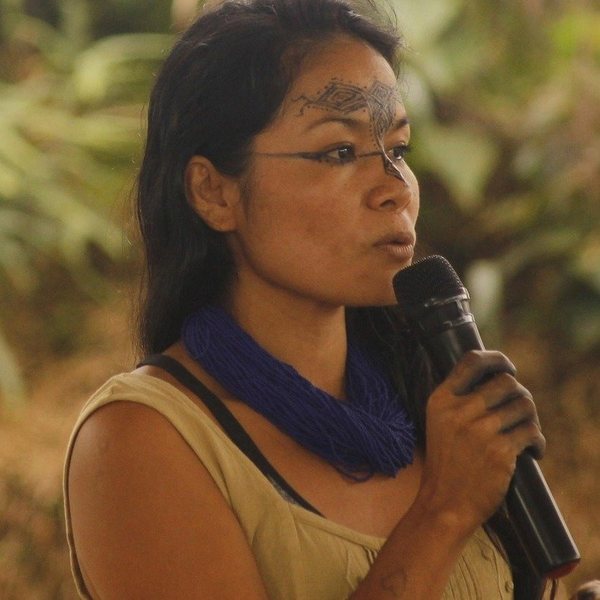
To sell my products and, in that way, make visible the work I have been doing with Sacha Warmi.Rosa Canelos · Sacha Warmi · translated from Spanish
For Rosa, the return also lay in the chance to make her work, and that of other women in her community, more visible. In her account, she also highlighted the opportunity to show up close the work she has developed with the women of her community around health, culture and nature.
Apitatán, an Ecuadorian visual artist, painter and muralist, also found at the event a space to sell his work, generating around US$400 in sales. The relationship that began at TEDxAmazônia has continued: he was invited to create the visual identity for the 2027 edition. In this case, the return goes beyond the transaction made during the event and becomes a new professional opportunity, so that a connection created in 2026 keeps producing value in the next cycles of TEDxAmazônia.
A broader idea of return
These different movements help broaden the very idea of return. For producers, artisans, communities and small businesses, it can take the form of direct income, product sales and access to new audiences. For local initiatives and organizations, it can mean visibility, new relationships and closer ties with potential partners. For the organizations that support TEDxAmazônia, the value also lies in being part of a network of 220 registrants affiliated with 150 organizations, bringing together actors who hold different positions within the Amazonian ecosystem.
Some of these effects can be seen during the event itself, in the purchases, hiring, payments and commercial relationships that happen there. Others may continue afterward, when a brand becomes known to a new audience, an organization finds a potential partner, or a connection begun at the gathering turns into a new opportunity.
The economic impact of TEDxAmazônia therefore also lies in opening channels through which value can circulate. Between the investment required to hold the event and the relationships that endure after it, there is a network of suppliers, communities, artisans, producers, entrepreneurs and local brands that finds different ways to take part in the economy generated by the gathering.
The estuary: how far the waters reached
Weeks after the closing, the rights of nature, Indigenous defense of territory and the forest as a "rain machine" were in the newspapers. The ideas brought to the stage in Baños had reached the estuary, where the river opens out and reaches people who have never stood on its banks.
In the press
Between March and September 2026, the edition appeared in 17 stories published by 10 media outlets, among them Folha de S.Paulo, Exame, Valor Econômico, Agência Brasil, Superinteressante and Mongabay Latam, as well as Ecuador's El Oriente.
Coverage began with the announcement of the first edition held outside Brazil and gained new momentum after the event, when the speakers and the themes they brought to the stage began to generate stories of their own. The rights of nature in Ecuador, Indigenous strategies for defending territory, the leadership of Indigenous women and the role of the forest as a "rain machine" reached the newspapers in the weeks that followed. The coverage thus extended the life of the gathering and showed the speakers acting as points of propagation.
On social media
On social media, the conversation was built with 11 content creators from Brazil, Ecuador and the United States, including two UN Verified Champions working on the climate agenda. They followed the talks and Adventures and told the story of the experience through their own eyes.
Their posts generated some 500,000 impressions and reached 300,000 accounts on Instagram, with an audience made up mostly of women (69%) and concentrated in Brazil (87%).
Where the waters flowed
The numbers also show where the waters flowed most strongly. Although the gathering took place in Ecuador, most of the coverage was concentrated in Brazil, where TEDxAmazônia built its trajectory over four editions.
Extending this reach to the other countries of the Pan-Amazon is one of the paths this edition leaves open. With the talks to be published on YouTube in the coming weeks, new ripples should carry the voices gathered in Baños to audiences in other languages and territories.
The riverbed: what sustained the gathering
The first TEDxAmazônia held outside Brazil was funded entirely by philanthropic organizations and international cooperation agencies that invest in the Amazon: the Skoll Foundation, the Tenure Facility, the Inter-American Development Bank, TED Countdown, Nia Tero, Fundación Avina and the Amazon Investor Coalition.
- Skoll Foundation
- Tenure Facility
- Inter-American Development Bank
- TED Countdown
- Nia Tero
- Fundación Avina
- Amazon Investor Coalition
The direct investment of US$278,000 formed the riverbed along which the gathering flowed, with two-thirds of it invested in Ecuador itself.
Amounts in US dollars, converted at R$5 = US$1 for items contracted in Brazilian reais and excluding the double counting found in the budget spreadsheet. The split between Ecuador and Brazil follows the contracting currency and is an approximation. Percentages do not add up to 100% due to rounding.
Most of the budget went to the production and experiences of the gathering. In Ecuador, all meals were served by local establishments, and the fabrics that dressed the auditorium, the stage tapestries and the badge lanyards came from craft markets and seamstresses in the region. What was produced in Brazil traveled in the luggage to Baños: the reusable bottles, the bags, the illustrated book and the pins featuring animals drawn by André Hullk, objects that made the crossing between the Amazons.
Lodging was concentrated in hotels in Baños and Quito, and transportation consisted mainly of the airfare that brought speakers, journalists, partners and staff. Communications, almost entirely contracted in Ecuador, included simultaneous interpretation among Spanish, Portuguese and English, the livestream, editing of the talks and photographic coverage.
What stayed in the territory
Over the course of the edition, 40 Ecuadorian suppliers and service providers were hired, and small businesses, artisans and communities sold directly to the public, as described in the Organizations chapter. Nine in ten attendees came from outside the region, and around 150 paid for their own stay, spending an estimated US$40,000 at hotels, restaurants and shops in Baños and Puyo, according to the organizers.
How far the investment reaches
The distance between ripples is proportional to the investment. Each budget line was assigned to a single ripple according to the audience it serves, so the percentages carry a margin of a few points. The visual language of the ripples is derived from André Hullk's illustration.
Read through the ripples of impact, the investment begins by bringing the voices together. Airfare, lodging and travel stipends ensured the presence of the speakers, including those who traveled overland from communities in the Ecuadorian Amazon. Around them, resources sustained the setting of the gathering and the participants' experience, from shared meals to the Adventures, while outreach opened the conversations to speakers of other languages and to those who could not be there in person.
The impacts continue beyond the outermost ring. Speakers and organizations carry what they experienced back to their territories and networks, and the recorded talks keep finding new audiences. Just as a riverbed holds what the water leaves behind as it passes, Ecuador was left with resources, work and relationships after the gathering.
Sustainability as part of the design
At TEDxAmazônia 2026, sustainability shaped the operational choices, the approach to mobility, the relationship with the territory and the content of the gathering itself. In an edition guided by the idea of interdependence, looking at environmental impact also meant looking at how the event was run and at the choices that could reduce its footprint.
Reduce before discarding
One of the commitments the edition made was to hold an event free of single-use plastic. Every participant received a reusable bottle at check-in and found water refill stations throughout the program.
The decision turned an everyday habit into part of the experience. Over the four days, participants were invited to reuse and refill their bottles, reducing the need for single-use packaging and reinforcing individual responsibility within a collective commitment.
Measuring, acknowledging and offsetting the mobility footprint
A Pan-Amazonian gathering sets people from many territories in motion, and that travel is part of the event's environmental impact. For this reason, TEDxAmazônia collected at registration information on each registrant's point of origin and main means of transportation, creating a first baseline for understanding this dimension of the footprint.
Of the 220 registrants, 82 named a gasoline car as their main means of transportation, 71 a plane and 45 a bus. Trips by electric car, diesel car, motorcycle, boat and on foot were also recorded.
Based on this information, a preliminary estimate was made of the emissions associated with round trips to the event. The calculation points to an order of magnitude of roughly 94 tCO₂e, concentrated mainly in air travel.
100% of estimated emissions will be offsetPreliminary estimate of the emissions associated with the travel of those who attended the gathering
This figure should be read as an estimate, without the standing of a certified emissions inventory. The data record each person's point of origin and main mode of transportation, but do not include full itineraries, flight connections, airports or vehicle characteristics. Where this information was unavailable, assumptions about routes and distances were used.
100% of estimated mobility emissions will be offset through the purchase and retirement of carbon credits, with the purchase scheduled for December 14, 2026. This commitment completes a cycle that begins with measuring the footprint, continues with acknowledging the emissions generated and arrives at a concrete act of offsetting.
Offsetting goes hand in hand with another equally important commitment: to keep reducing. The 2026 estimate establishes a baseline for improving data collection, identifying opportunities for reduction and guiding mobility choices in future editions.
Sustainability at the heart of the ideas
The place of sustainability in the event's design was matched by its content and by the relationship with the territory, built through the TEDx Adventures together with local organizations working in conservation, territorial development and the promotion of natural and cultural heritage.
In the thematic reading carried out by the Event Design Collective, 35% of the program analyzed was associated with Indigenous governance, territory and climate justice; 28% with ecology, climate science and conservation; 20% with biocultural knowledge, art and identity; and 17% with regenerative economies, technology and entrepreneurship.
Source: thematic reading of the program by the Event Design Collective.
These different dimensions point in the same direction. Reducing waste, understanding and offsetting the footprint of travel, building experiences connected to the territory, and placing climate, conservation and different forms of knowledge at the center of the conversations are all part of a single commitment.
At an event about interdependence, the way we do things is also part of the transformation we want to set in motion.
Where the gathering connects to the SDGs
Taken together, the choices and content of TEDxAmazônia 2026 engage with seven Sustainable Development Goals of the 2030 Agenda, across their environmental, social and economic dimensions.
SDG 13 · Climate ActionClimate at the center of the stage and offsetting of mobility emissions.
SDG 15 · Life on LandForest conservation and regeneration in the talks and the Adventures.
SDG 10 · Reduced Inequalities45% of speakers identify as Indigenous.
SDG 5 · Gender Equality59% women among the speakers, and direct income for Indigenous women producers.
SDG 8 · Decent Work and Economic Growth40 local suppliers hired and an estimated US$40,000 spent at businesses in Baños and Puyo, according to the organizers.
SDG 12 · Responsible Consumption and ProductionAn event free of single-use plastic, with supplies made by artisans and seamstresses from the region.
SDG 17 · Partnerships for the Goals150 organizations represented by registrants, along with 20 knowledge partners, 11 Adventure partners and 7 funders.
Beginning, middle and beginning
This report records the first ripples of TEDxAmazônia 2026. Much of the spreading is happening now, as the speakers return to their territories, the organizations carry what they experienced into their networks and the recorded talks prepare to meet new audiences. We have set out six commitments for the next ripples of impact:
- Publish the talksThe talks arrive on YouTube in the coming weeks, carrying the voices gathered in Baños to audiences in other languages and territories.
- Listen againA new round of listening with speakers and participants will show how far the ideas and relationships formed at the gathering have traveled.
- Keep the network activeThe network formed in Baños continues throughout the year, as the participants themselves asked.
- Extend the reach across the Pan-AmazonCarry the coverage, now concentrated in Brazil, to the other Amazonian countries.
- Sustain the partnershipsTEDxQuito, the Adventure partners and the artist Apitatán, who is creating the 2027 visual identity, are already planning the next edition.
- Lighten the footprintThe 2026 emissions baseline will guide lighter mobility choices in future editions.
The next edition of TEDxAmazônia takes place in 2027 in Belém, Brazil, under the theme Designing for Life.
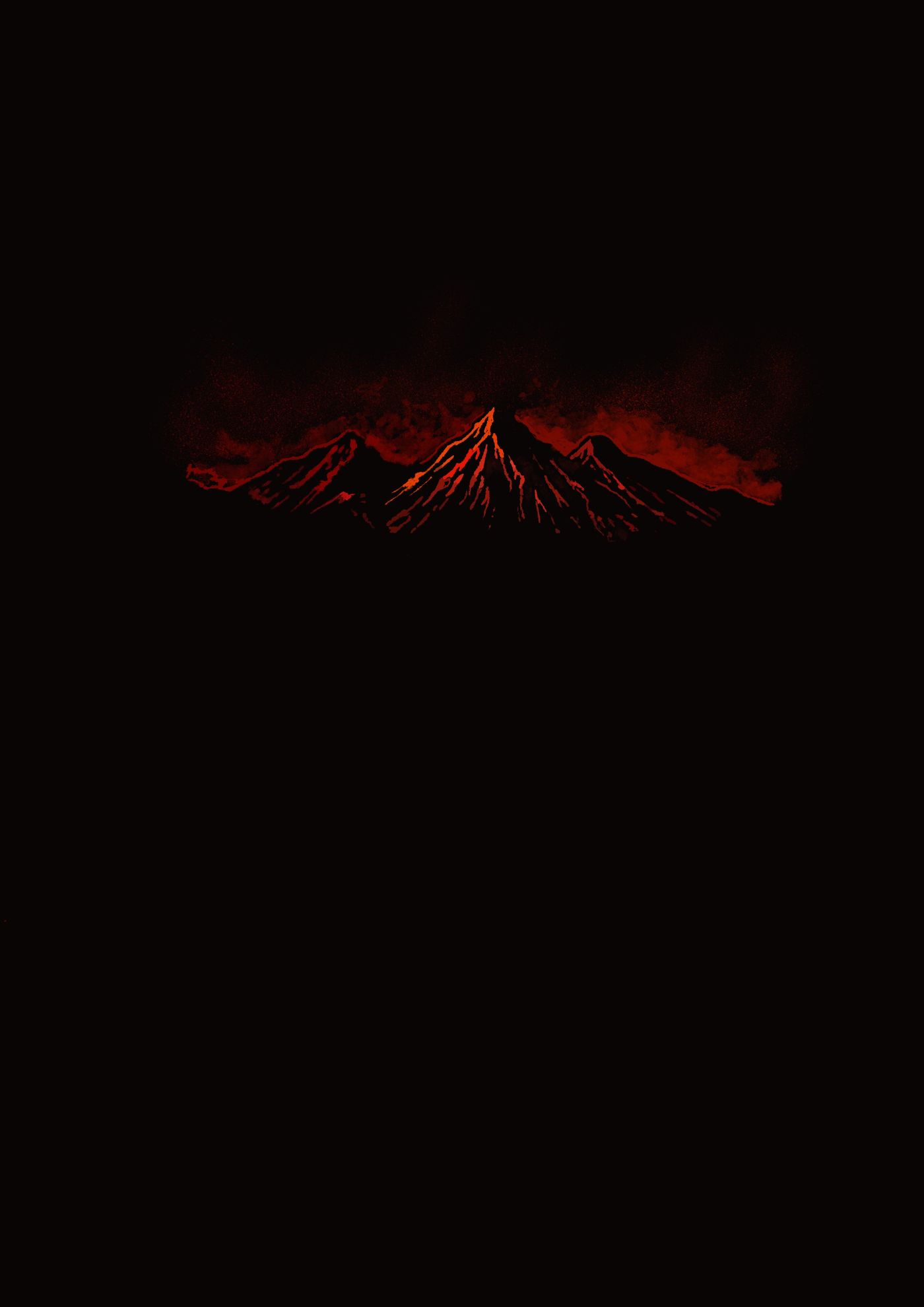
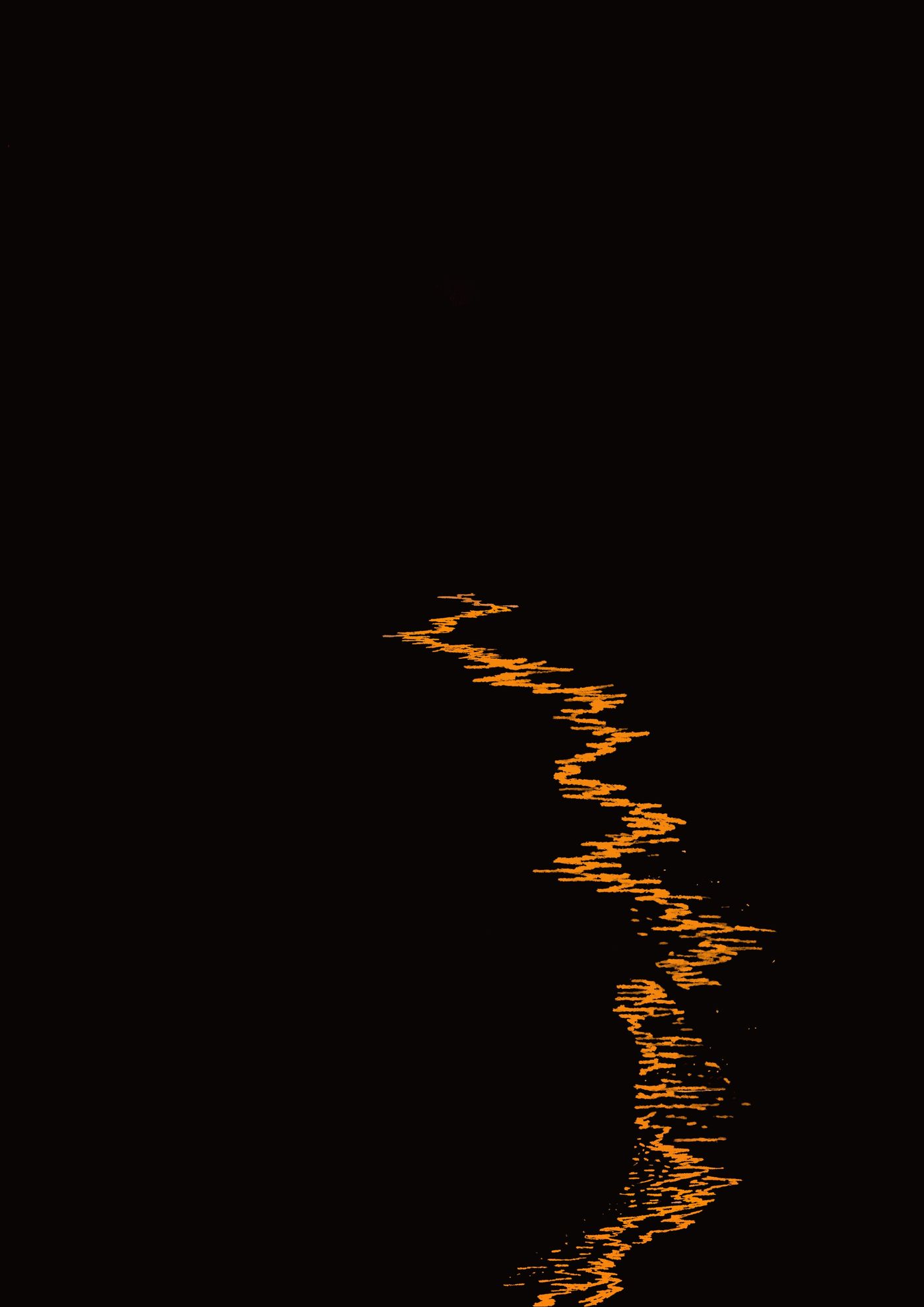

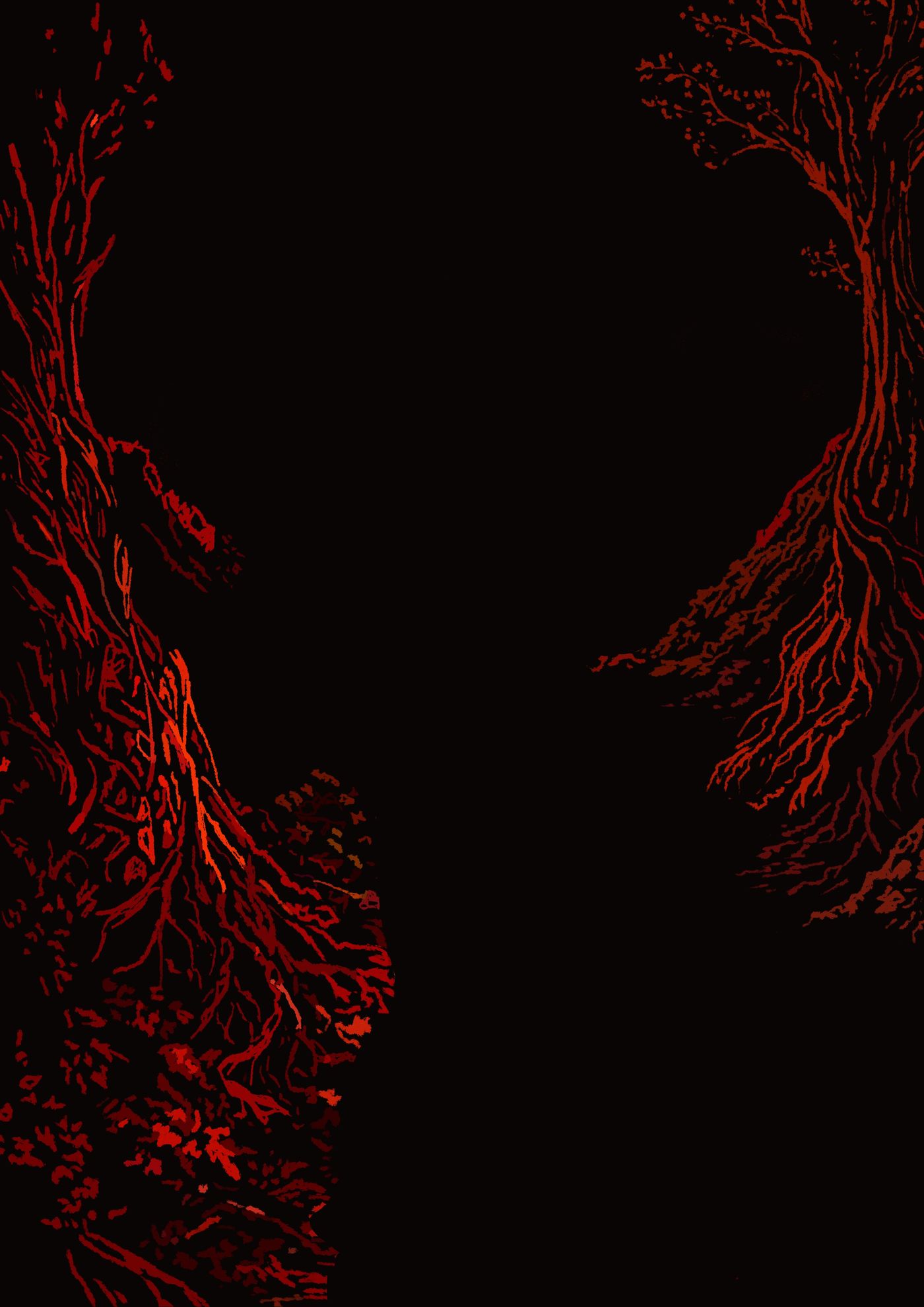
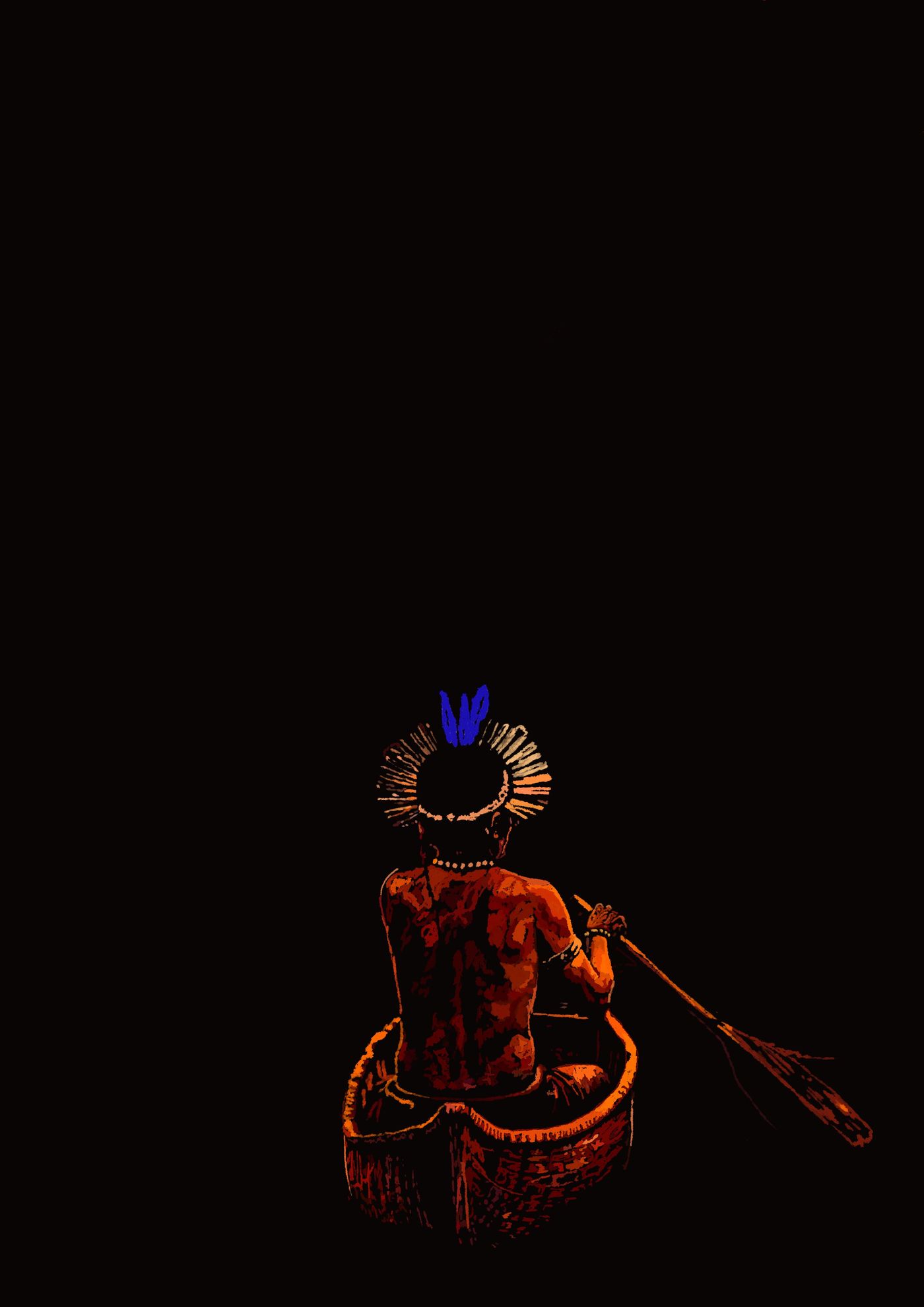
In the Amazon, the water that reaches the sea returns to the sky, falls as rain over the Andes and rises once more in the mountains. TEDxAmazônia follows the same cycle, in which each edition ends where the next begins, in a movement of beginning, middle and beginning.